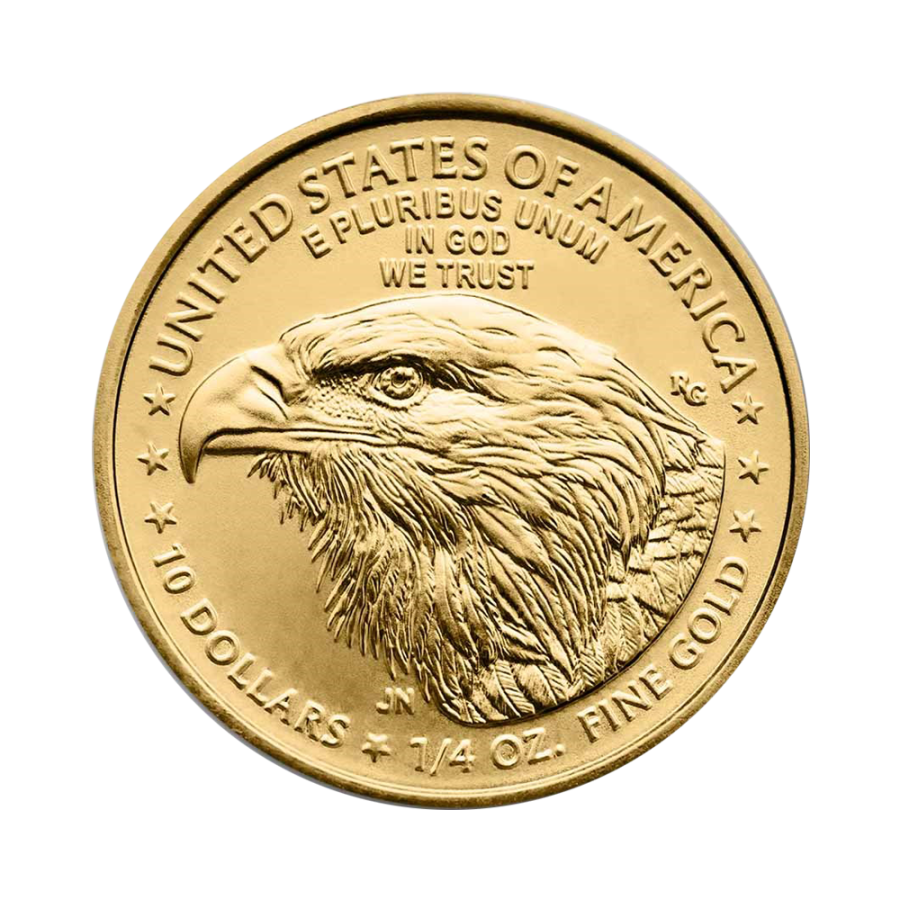
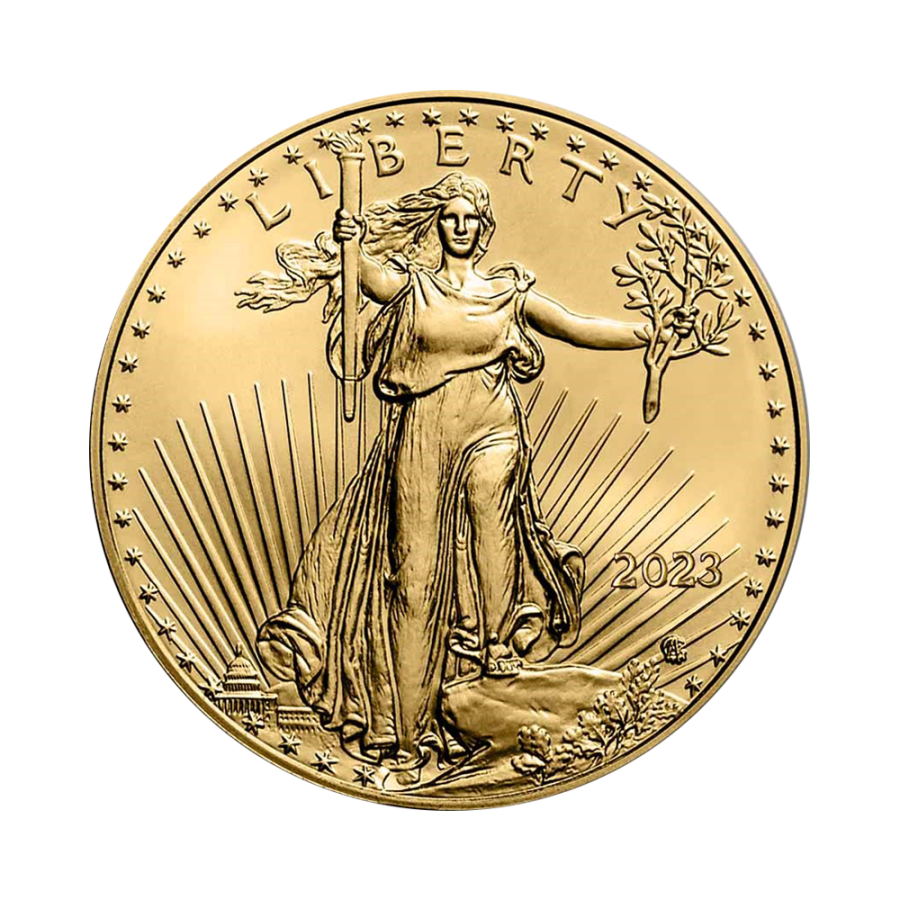
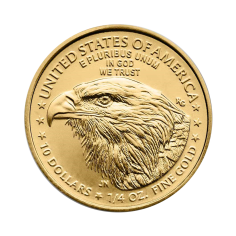
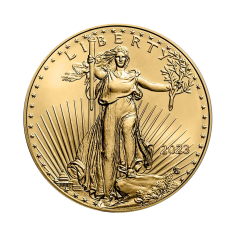
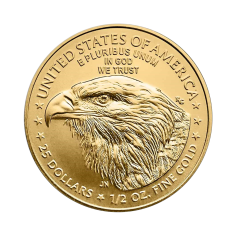
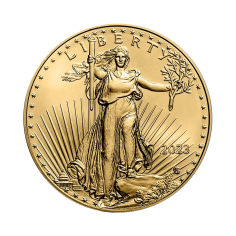
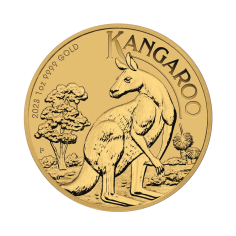
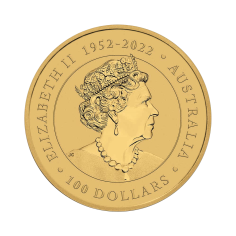
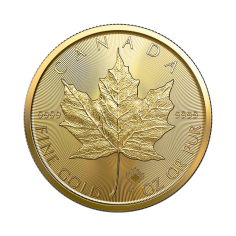
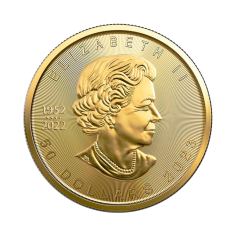
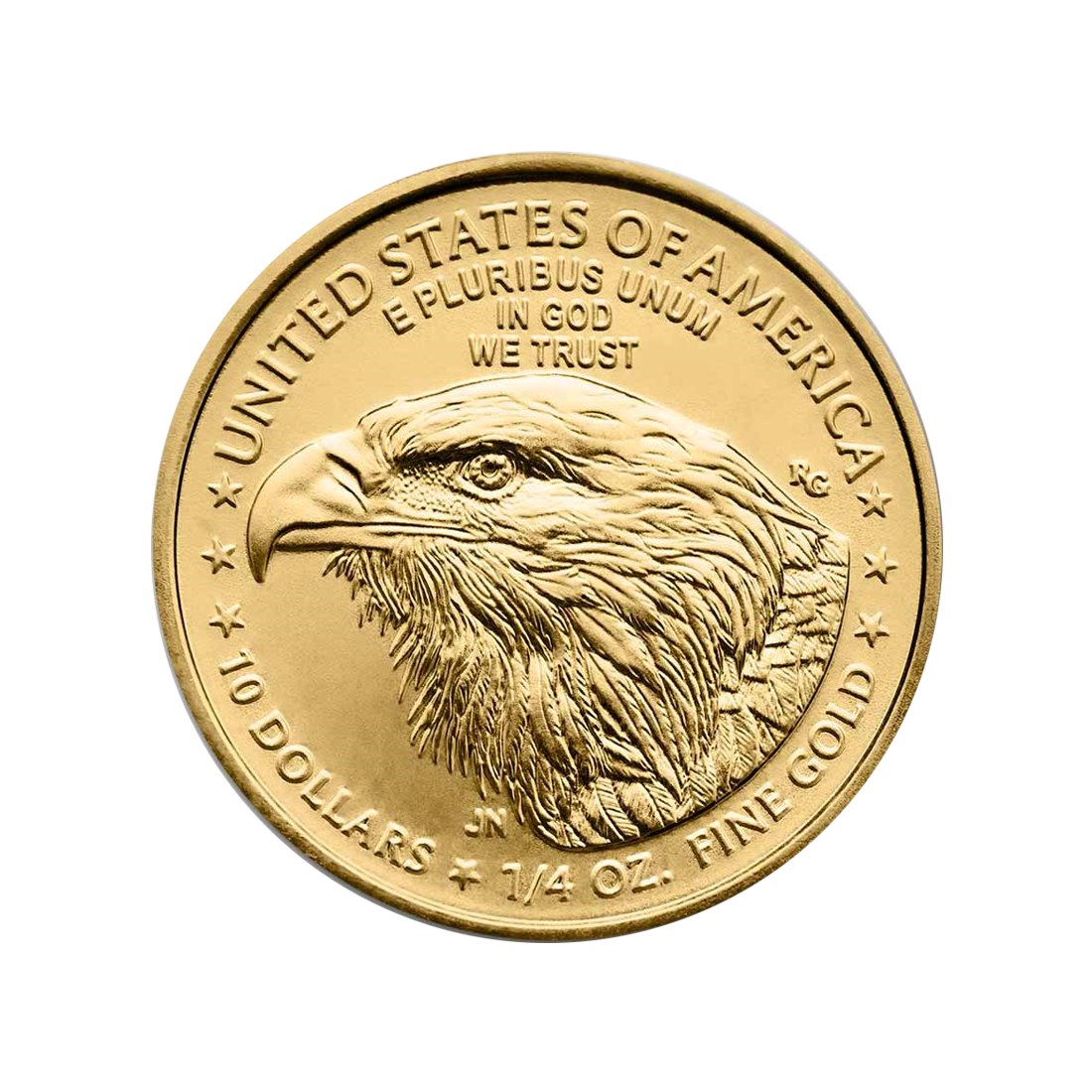
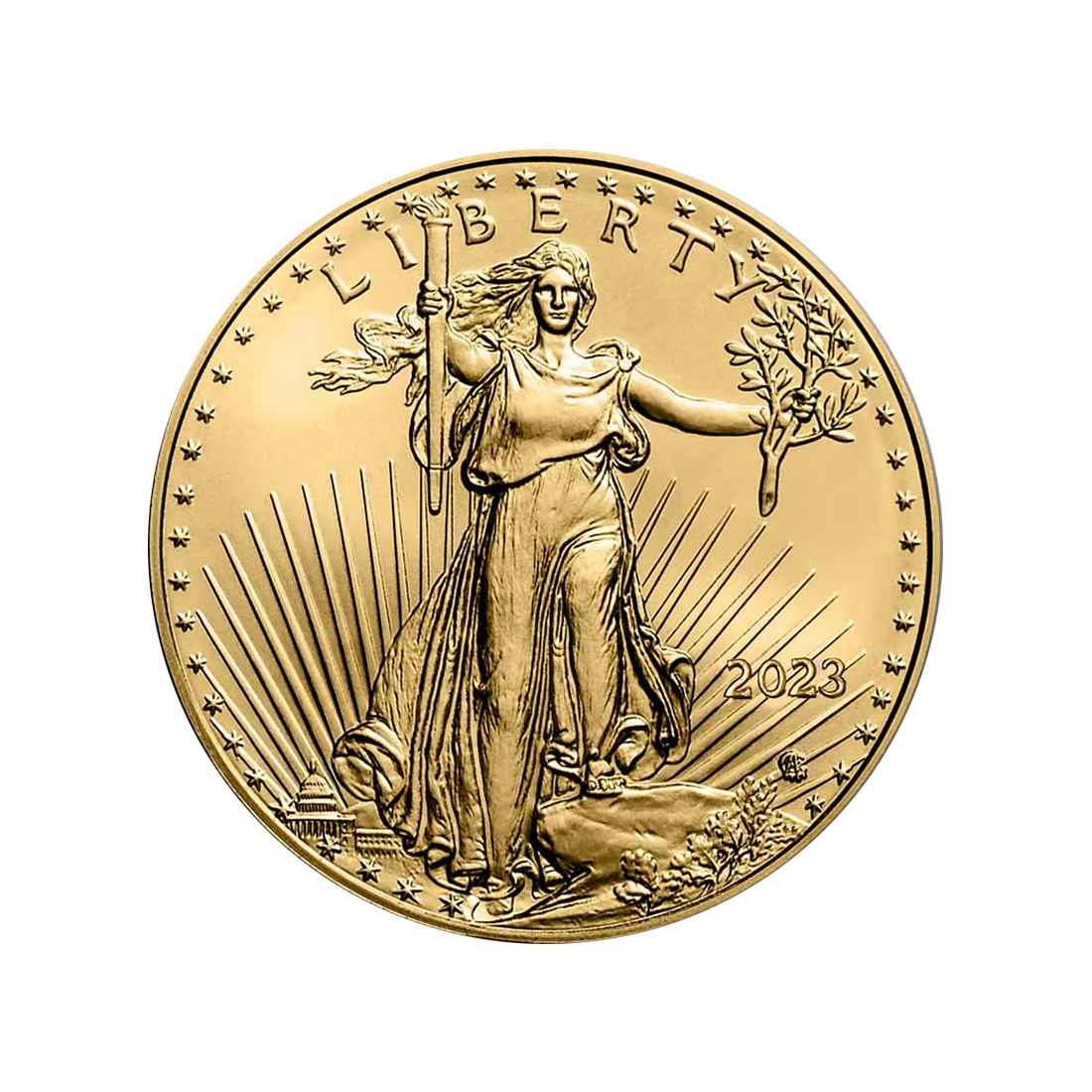
The American Eagle 1/4 oz is a gold coin with a face value of US$10, made of 24-karat gold with an admixture of silver and copper. It is produced at the United States Mint from bullion sourced locally.
The American Eagle production process involves manually placing raw coins in a press containing special dyes. The coin is stamped repeatedly to achieve the effect of the design rising above the mirror surface. After thorough inspection, the coin is packaged to protect it from damage. It is offered in this impeccable condition by the Mint.
The History of the American Eagle
When American farmers created a new government for their republic, they realized the extraordinary importance of a stable monetary system. Shortly after the ratification of the Constitution, work began in 1792 on the creation of a national mint, which became the first federal building.
With over 200 years of experience, the United States Mint is one of the most prestigious institutions of its kind in the world. In recent years, production has fluctuated between 4 and 10 billion coins per year. These figures include coins entering circulation, as well as investment and collector coins.
The U.S. Mintoperates in six cities across the country: its headquarters are located in Washington, D.C., its vault is in Fort Knox, and its production centers are in Philadelphia, West Point, Denver, and San Francisco.
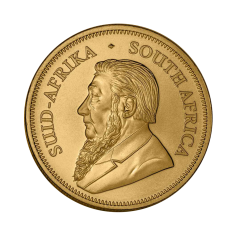
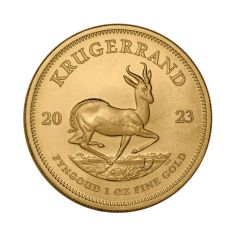
The United States began minting the American Eagle in 1986 as a competitor to bullion coins from other countries, primarily the Canadian Maple Leaf and the South African Krugerrand.
The value of the minted coins was supposed to be closely linked to the value of the raw material used, although a few short series gained collector's recognition. The value of the metal in the coin obviously far exceeds its face value.
The quality of the coin in terms of weight and purity of the metal is guaranteed by the US government. The Mint recommends the American Eagle as an excellent investment, symbolized by this famous coin for over a quarter of a century.
The coin was issued withtwo different reverse designs. Coins are allocated randomly.









 (1)_LBMA.jpg)



 English
 German
 Ukrainian


 801 501 521