Description of the Chinese Panda 1 oz gold coin
The Chinese Gold Panda is the most popular gold bullion coin of the People's Republic of China and one of the most sought-after gold coins in the world. Introduced into circulation in 1983 as legal tender by the Chinese Central Bank, it is the first gold bullion coin to feature a design that differs from the main motif, which is highly valued by collectors. Containing 999 fine gold, the coin features a graceful portrait of a gentle and peaceful panda - China's national symbol and one of the rarest animals in the world.
Appearance of the Chinese Panda 1 oz gold coin
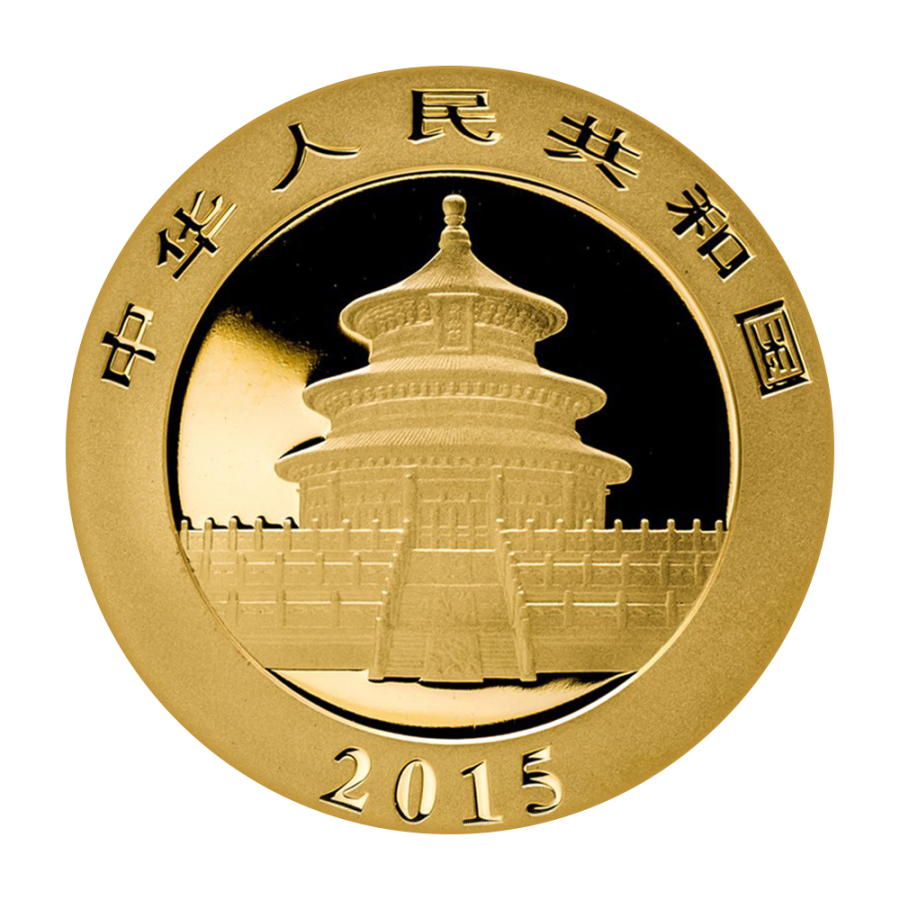
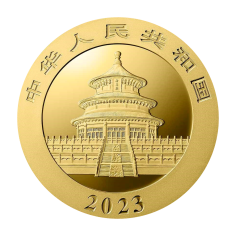
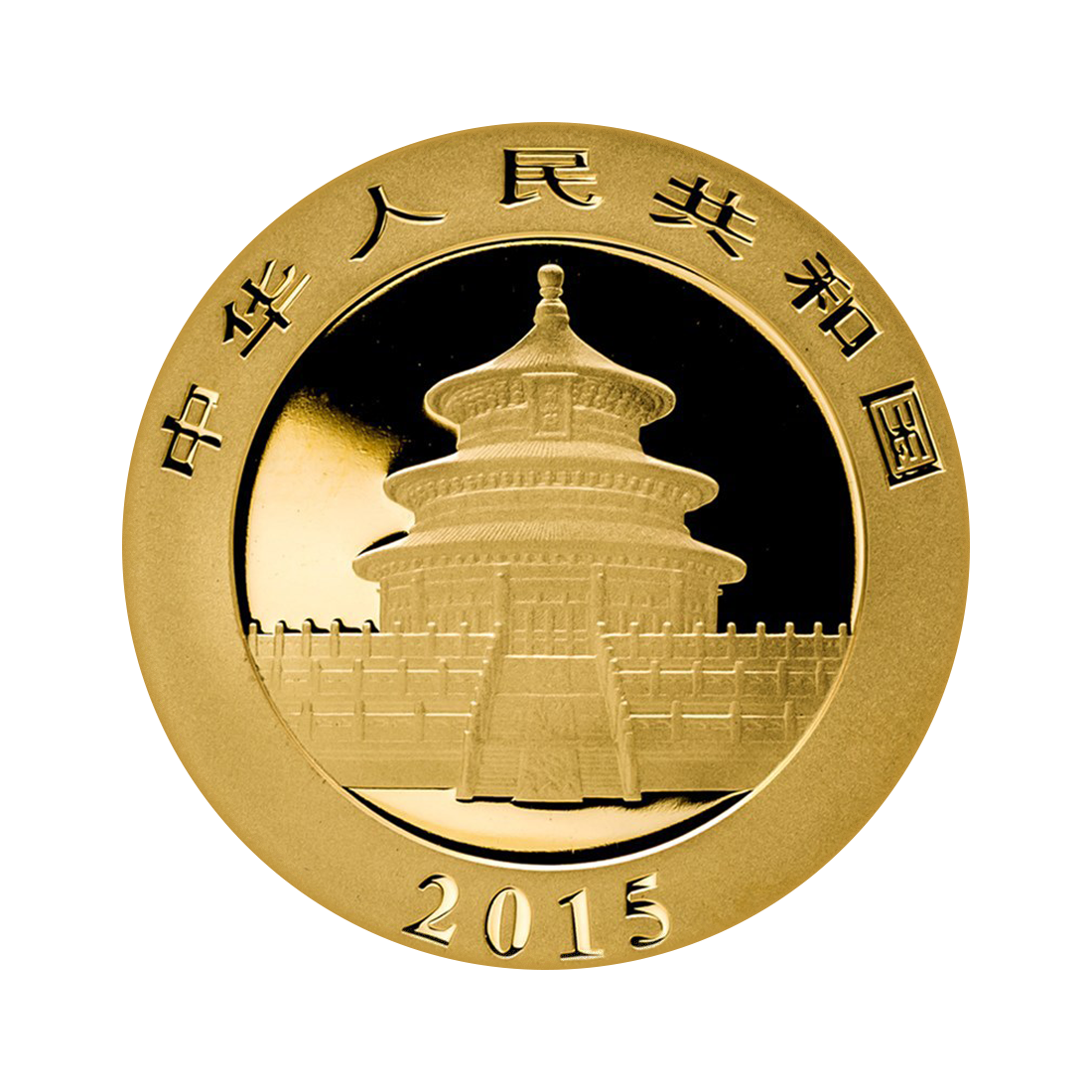
The obverse depicts the Temple of Heaven, a UNESCO World Heritage Site consisting of a complex of religious buildings located in the central part of Beijing. Above the Temple of Heaven is text in Chinese meaning "People's Republic of China," and at the bottom is the year the coin was minted.
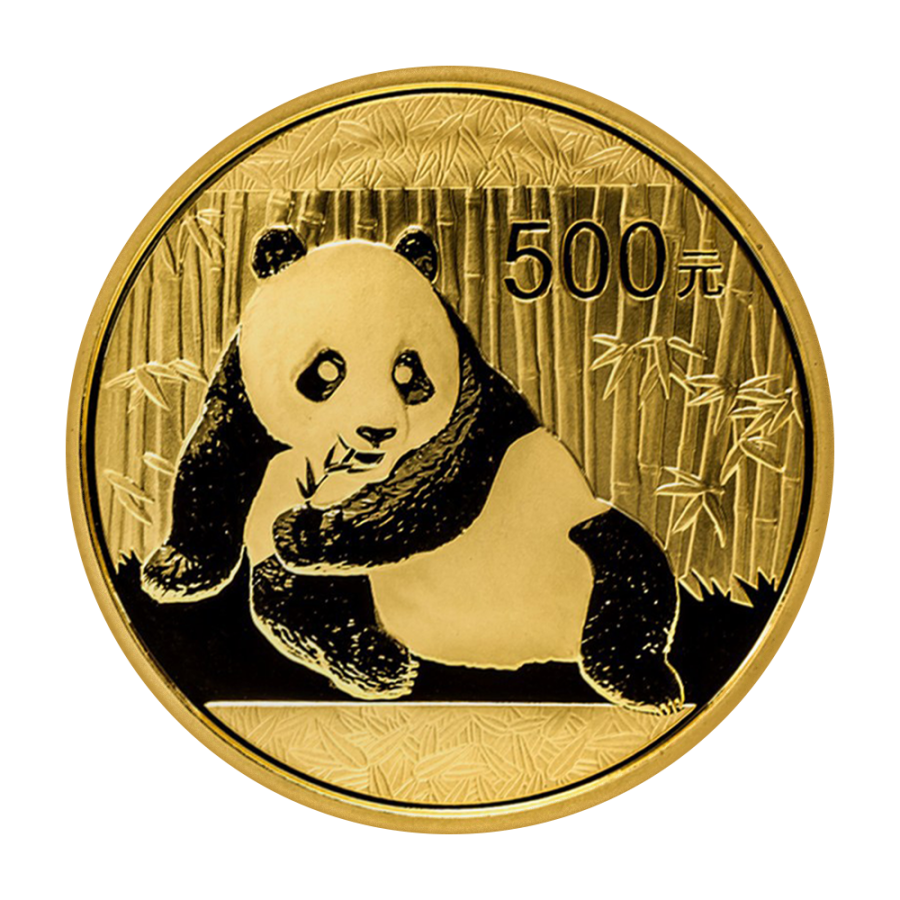
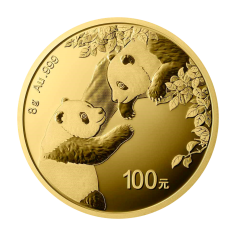
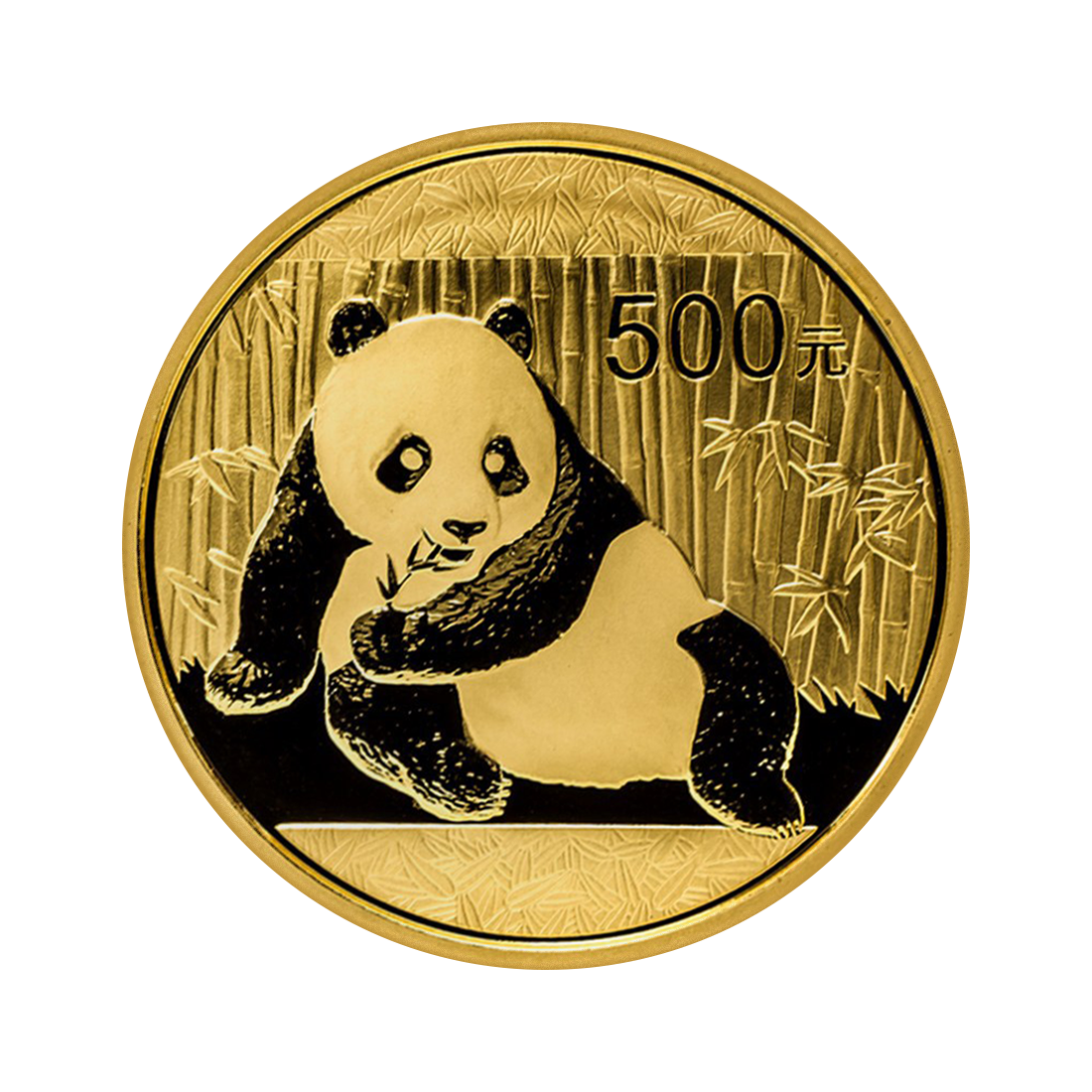
The reverse shows a sitting panda holding a branch against the backdrop of a bamboo forest. The coin's face value (500 yuan) is located on the right side of the reverse. The 2015 coin does not specify the weight or gold content. The reverse may vary depending on the year of issue. Coins are allocated randomly.
Made using a unique engraving method, the Chinese Gold Panda coin features light and dark shades of gold, which beautifully replicate the animal's black patches and white fur. These artistic features, combined with the high quality of the coin, have contributed to the Chinese Gold Panda becoming one of the four most sought-after gold bullion coins in the world.
Historical overview
The panda was the mascot of the 2008 Summer Olympics in Beijing. Despite their cute and calm nature and status as a Chinese national symbol, giant pandas, or bamboo bears, are a very rare animal. Due to deforestation and commercial agriculture, much of their natural habitat has been destroyed, and as a result, the population of pandas living in the wild has declined to as few as 2,000 individuals, according to some estimates. Over the past decade, the Chinese government has taken extensive conservation measures to halt the decline of this lovable bear's population. Although it is still an endangered species, conservation efforts are believed to be paying off. Scientific research shows that the wild panda population has begun to recover.
The Chinese Gold Panda was first introduced in 1982, and the Silver Panda in 1983. Since then, both coins have been in continuous production, except for 1986, when no silver pandas were issued.
Manufacturer
China Gold Coin Incorporation is a company involved in the design, production, and sale of Chinese commemorative and investment coins. They are made from four precious metals: gold, silver, platinum, and palladium. The main motif of the coins is the giant panda, which is considered China's national animal. Chinese Panda coins are issued annually with a new design in gold and silver. Platinum and palladium versions are not currently minted. The company plays an important role in the issuance of currency by the People's Bank of China and is under its direct supervision. Although the Gold Panda is one of the mint's best-known products, its range is much wider and includes, among other things, a variety of commemorative products made of precious metals, which are very popular, especially among the Chinese public.












 (1)_LBMA.jpg)



 English
 German
 Ukrainian


 801 501 521