Product description
The coin is intended for collectors and investors, and is inspired by heraldic motifs from the history of the English monarchy. It depicts a symbolic animal associated with court tradition, which for centuries has served as a sign of power and prestige. The product was created for numismatic collectors, history and heraldry enthusiasts, and those who appreciate the aesthetic and investment value of silver.
Appearance of the coin
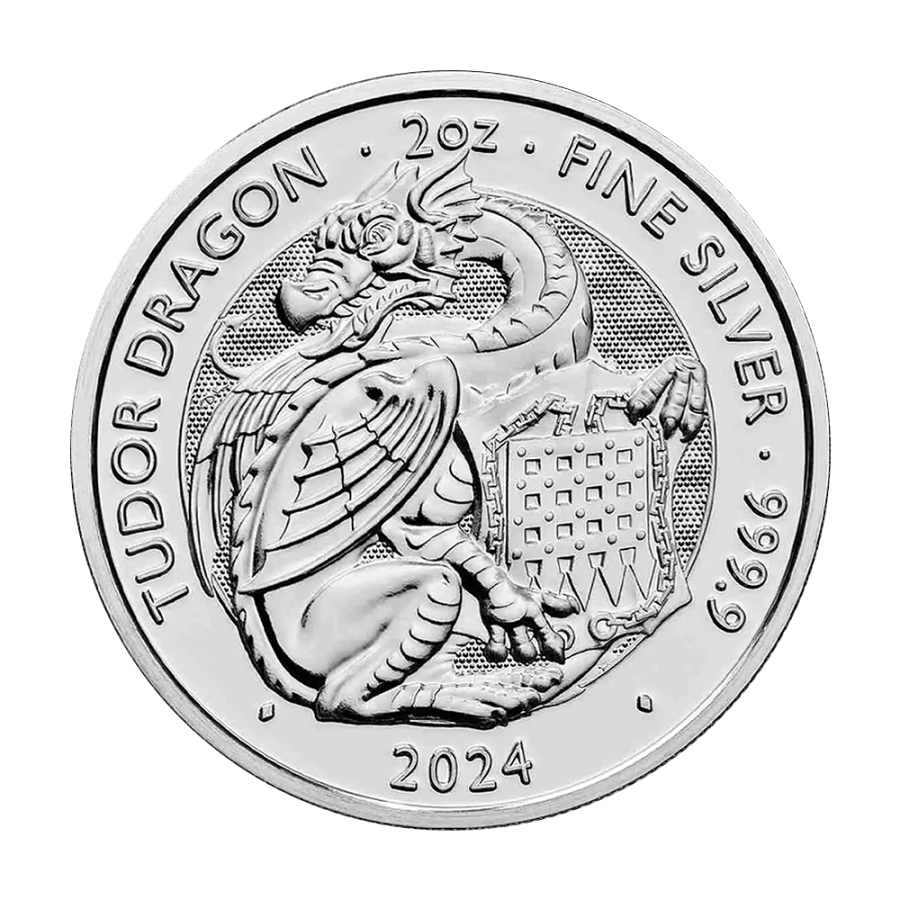
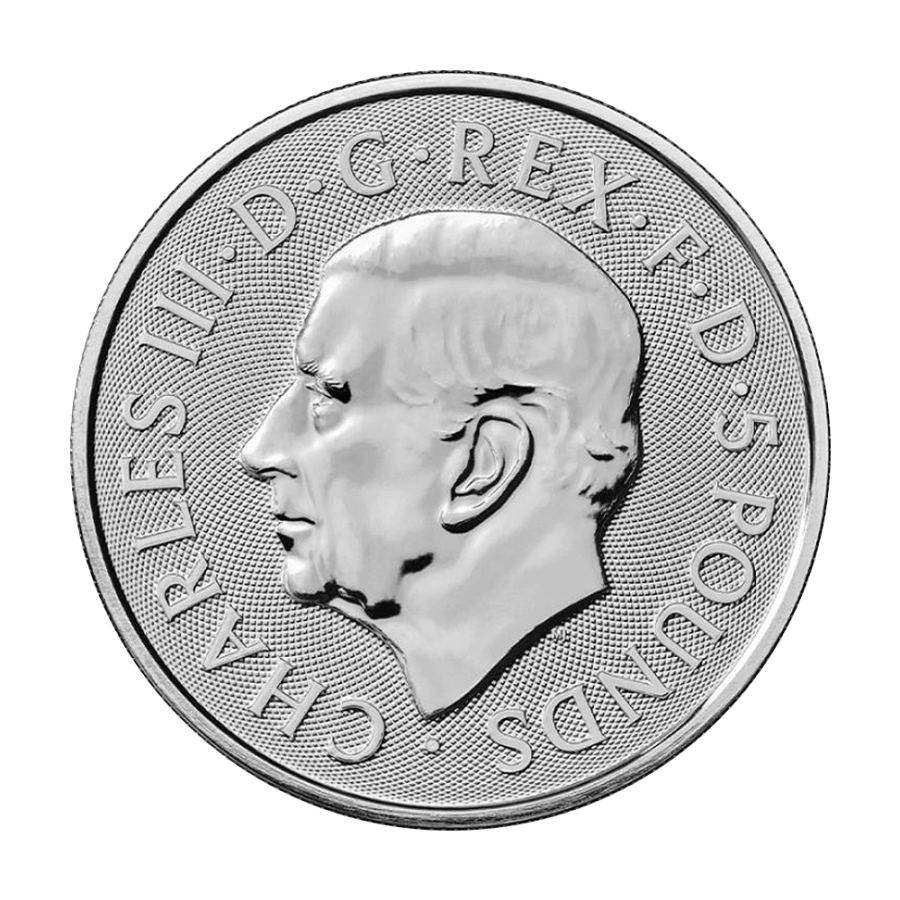
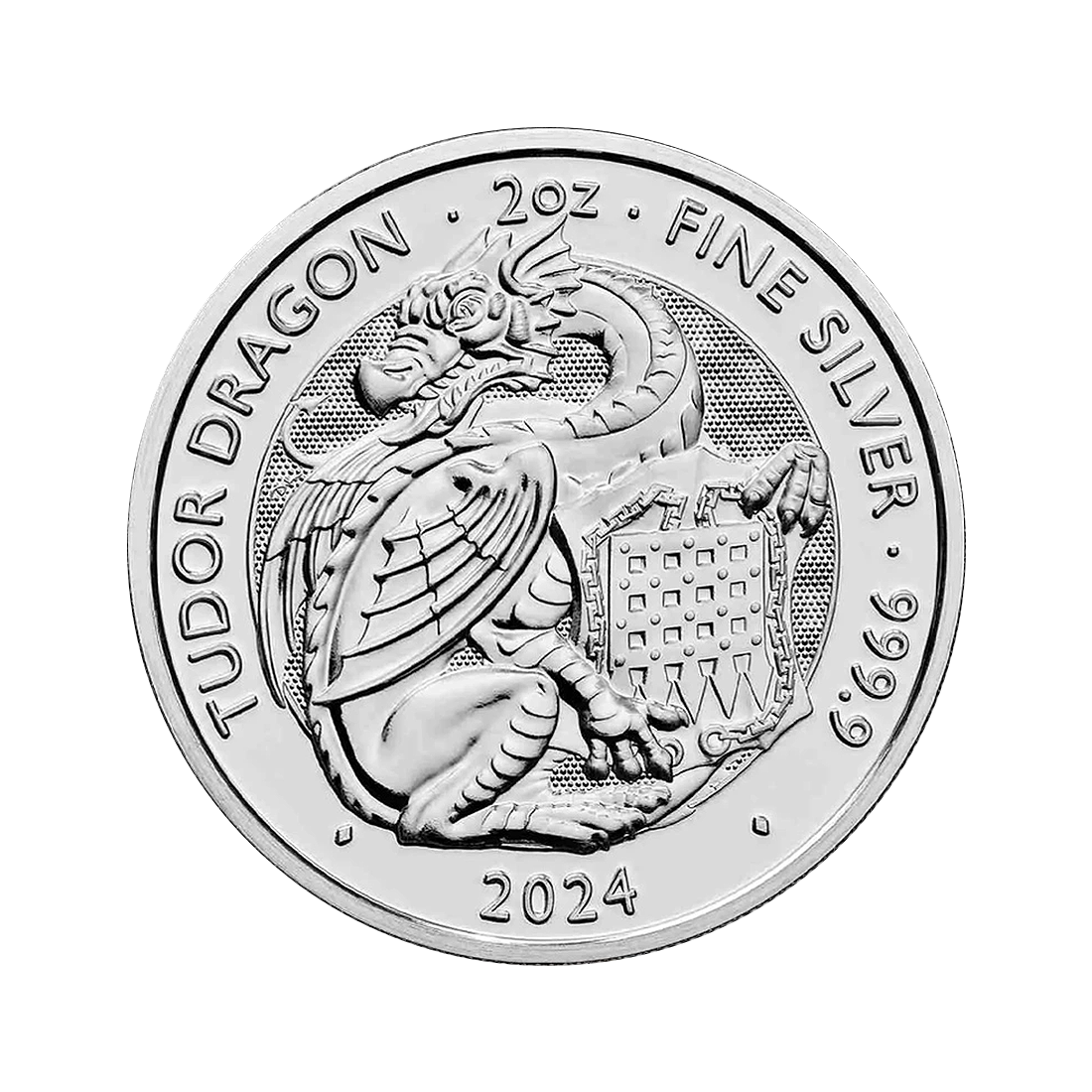
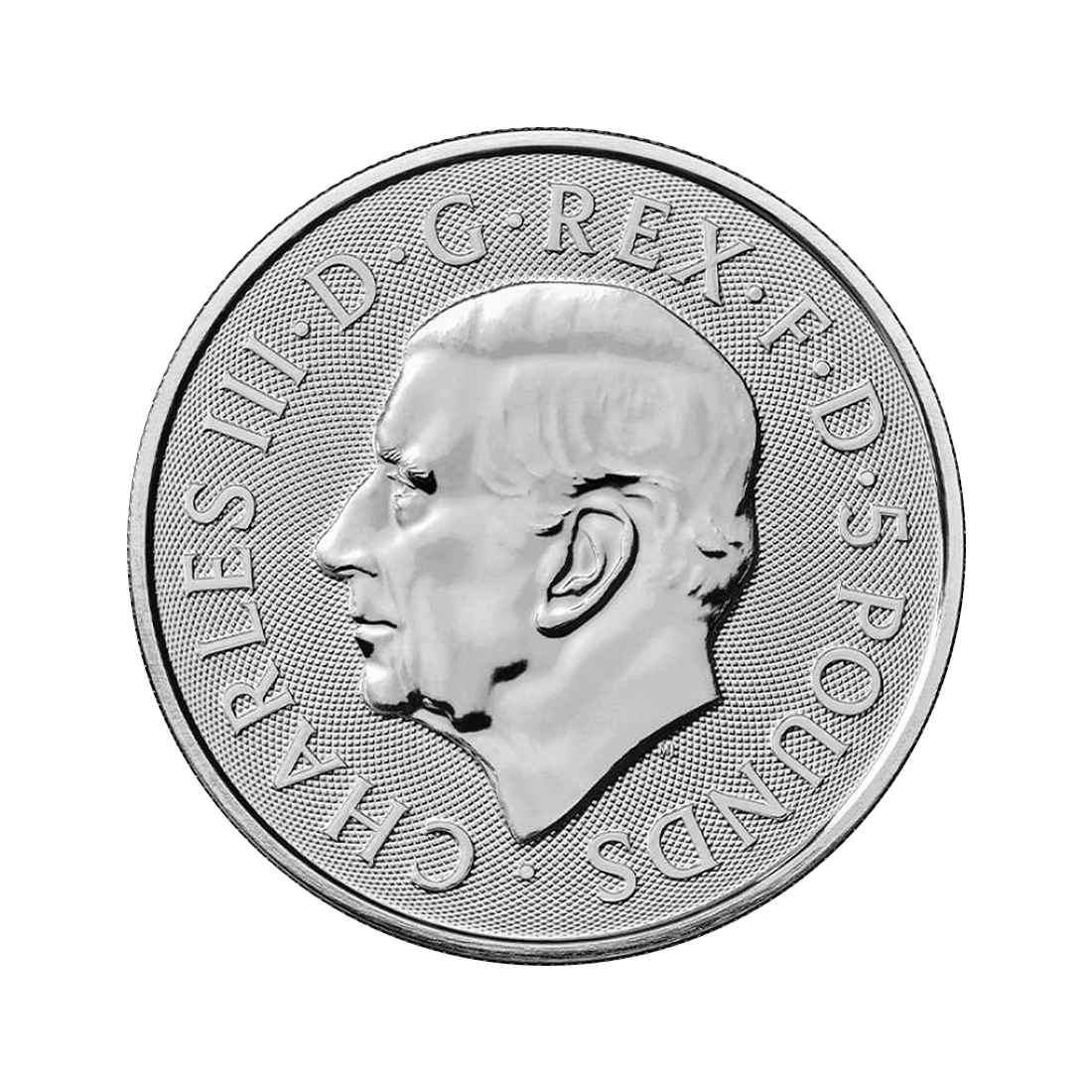
The overall design of the coin is based on a dynamic, heraldic representation of the Tudor Dragon as the central motif on one side and a formal, classical depiction of the British monarch on the other, combining artistic narrative with traditional numismatic form and emphasizing the historical inspiration behind the design.
The reverse of the coin focuses on the image of the Tudor Dragon holding a shield, surrounded by an inscription suggesting the theme of the issue and the year of issue, which creates a strong symbolic accent referring to the legends and heraldry associated with the Tudor dynasty.
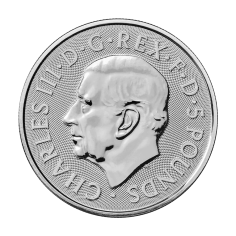
The obverse features a profile portrait of King Charles III, surrounded by traditional inscriptions with the ruler's name and stylized Latin abbreviations, which give the side an official character and contrast with the more narrative reverse. The overall design juxtaposes a symbolic, dynamic beast from heraldry with a formal portrait of the monarch, creating a composition that combines historical and artistic elements in a single numismatic representation.
Historical overview
The coin was created as part of a series dedicated to heraldic beasts from the Tudor dynasty, which since the 16th century have served as symbols in the architecture, art, and iconography of the English monarchy. The dragon depicted on the coin was historically associated with power, protection, and royal authority, and its images appeared on shields, coats of arms, and court decorations, emphasizing the prestige and rank of the monarch.
The aim of issuing the coin was to bring the history and symbolism of the Tudor dynasty closer to the public through a realistic depiction of one of its most recognizable beasts. The coin is intended for collectors and educators, allowing them to learn about the significance of symbols in building the image of power and the role of heraldry in the culture and art of Renaissance England.
The issue is part of the tradition of historical coins that document important figures, events, and national symbols, while also being an attractive collector's item for those interested in history, art, and numismatics.
Manufacturer
The Royal Mint is the official mint of the United Kingdom, responsible for producing circulation, collector, and investment coins for the UK and for export. Its tradition dates back to the 10th century, and the modern facility in Llantrisant, Wales, has been operating since the 1960s, combining modern minting technology with a rich numismatic heritage.
The Mint specializes in the production of circulation coins, state medals, and high-quality collector and bullion coins, including gold and silver coins, which combine investment value with artistic design. The Royal Mint also operates in the area of coin security and certification services, ensuring the authenticity and highest quality of its products.
As a state institution, The Royal Mint also fulfills an educational and promotional function, providing visitors with access to a museum and visitor center in Llantrisant, where it presents the history of British coinage, production processes, and coin collections from the Middle Ages to the present day.










 (1)_LBMA.jpg)



 English
 German
 Ukrainian


 801 501 521