Product description
A collectible silver coin inspired by heraldry and legends related to English history and architecture. The leitmotif is a panther visible on the portal of one of the most famous royal residences, which in numismatics serves as a symbol of strength and royal presence, forming part of a larger set depicting various historical beasts. The coin combines aesthetic design with collectible potential, making it an attractive choice for those who appreciate realistic depictions of historical heraldry and products made of silver as a durable material. It is both a souvenir for lovers of history and the symbolism of the Tudor dynasty, as well as an element of a numismatic collection of an interpretative or investment nature.
Appearance of the coin
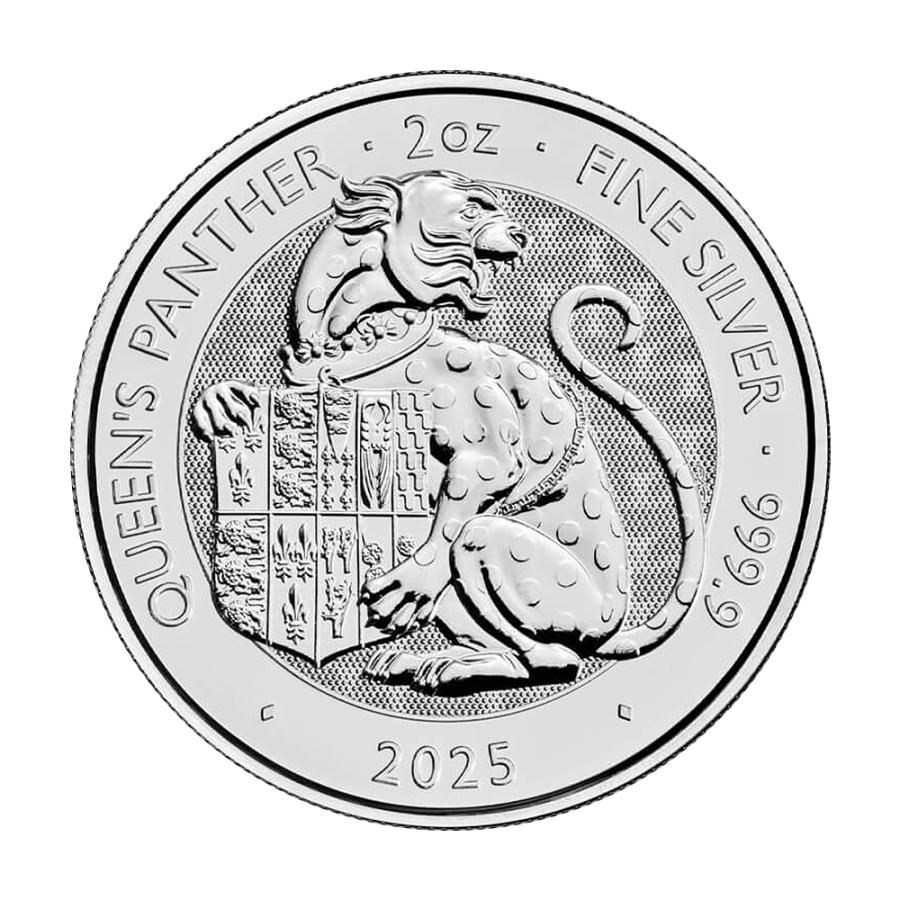
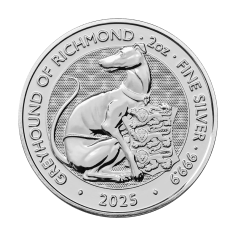
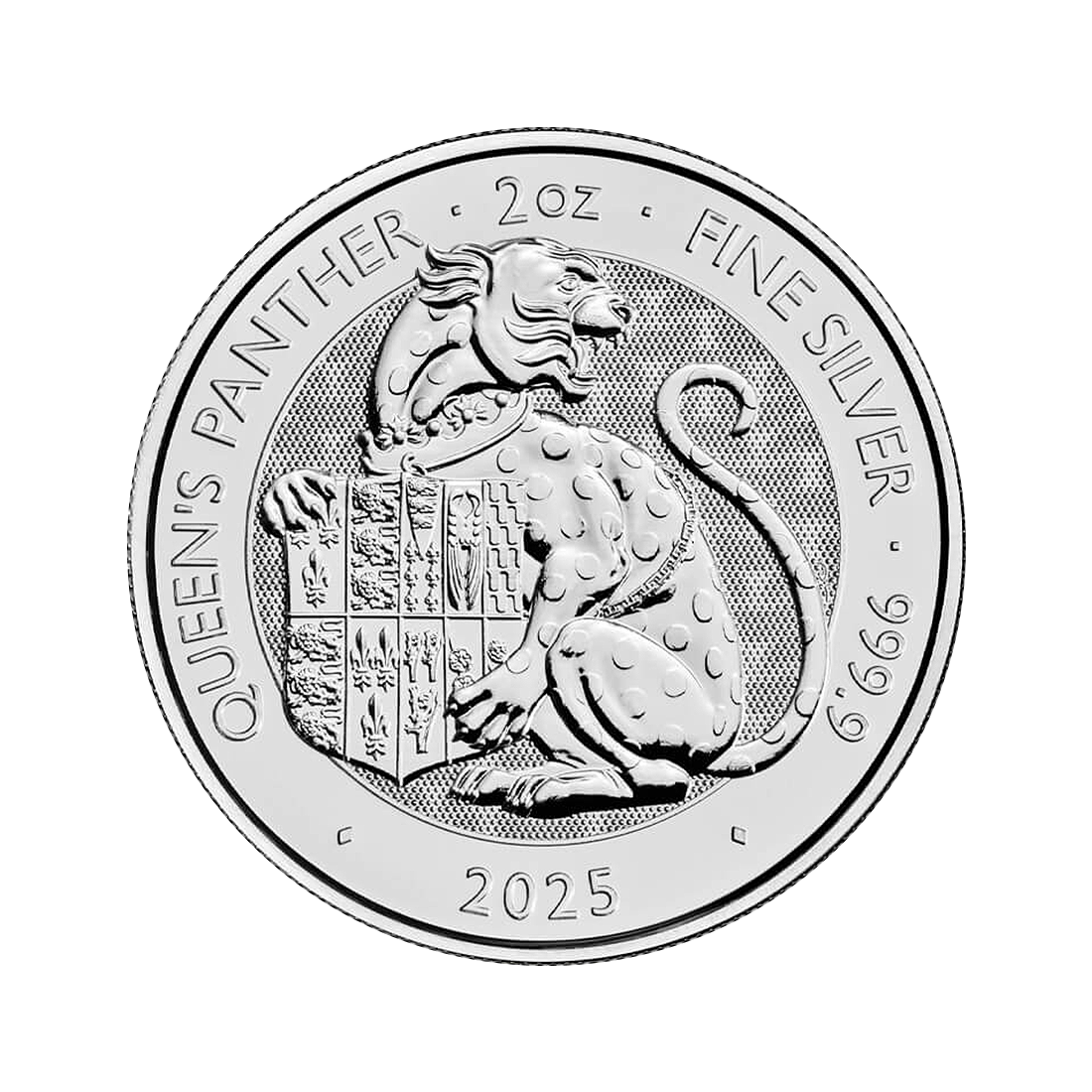
The overall design of the coin combines heraldic and historical elements, with one of the symbolic beasts associated with the Tudor dynasty – the panther – as its central motif. It is depicted in a dynamic, realistic form on one side, with a distinct artistic accent. The design was inspired by the stone sculptures on the bridge leading to Hampton Court Palace, which give the whole a majestic and rich character, reminiscent of ancient heraldic art and royal tradition.
The reverse of the coin focuses on the image of the Panther Queen, depicted as a dignified, piercing beast holding shields with the combined coat of arms of Henry VIII and Jane Seymour - a heraldic symbol of the unity and heritage of the Tudor family, depicted in detail with additional ornamentation around it, emphasizing both its rank and artistic execution.
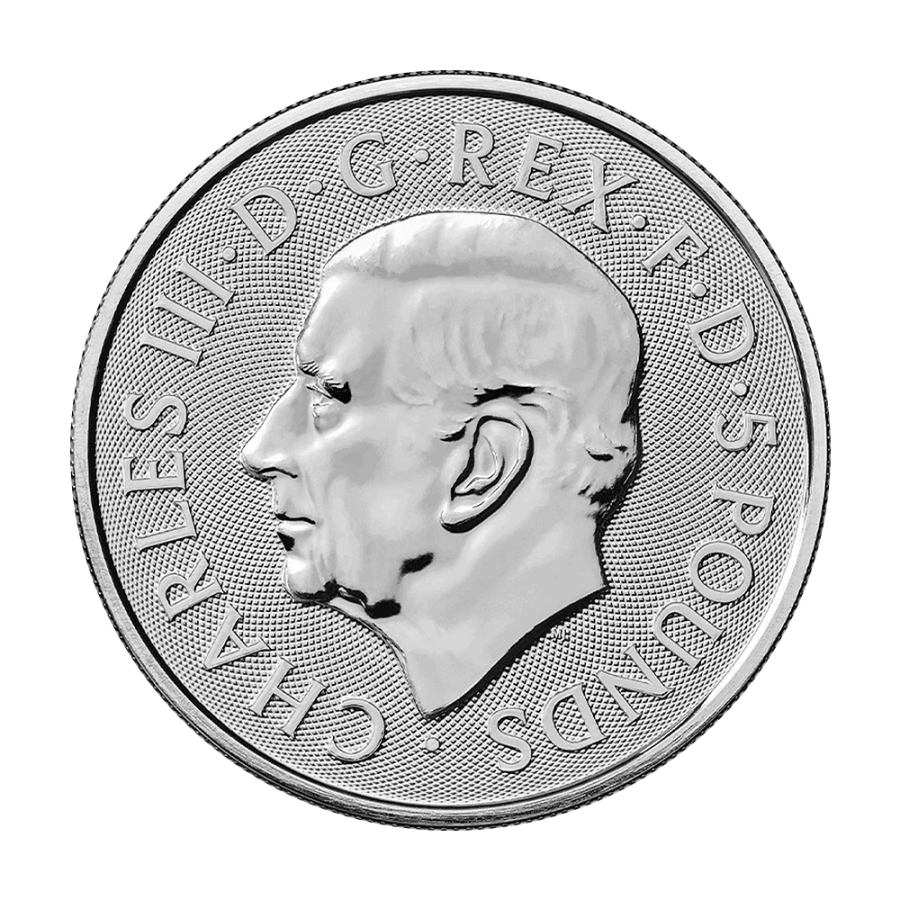
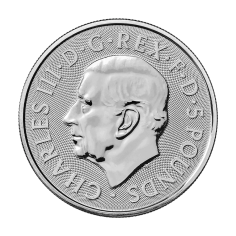
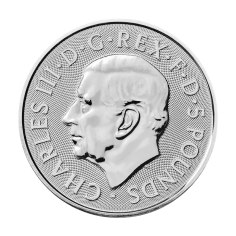
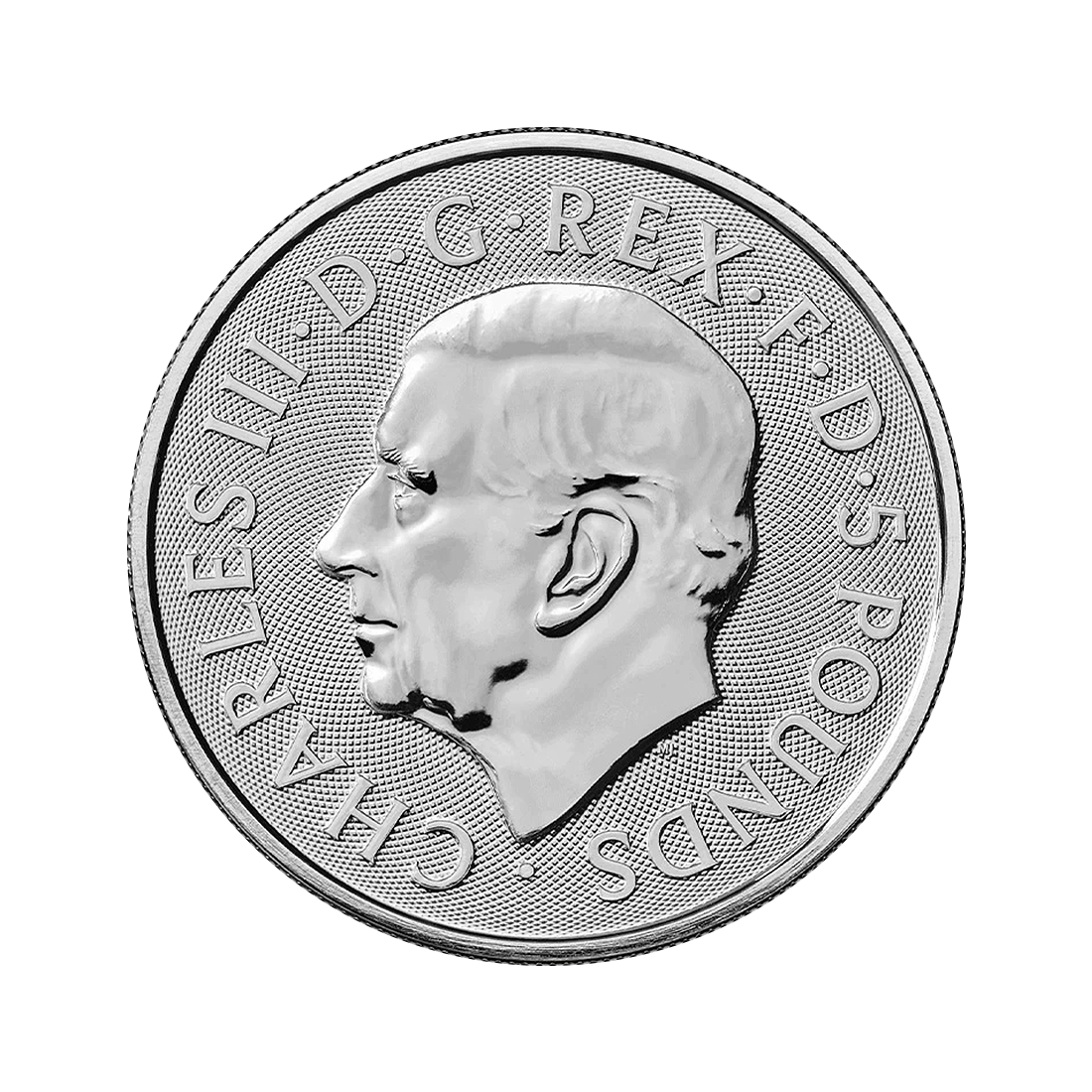
The obverse of the coin features a profile portrait of the British monarch, typical of contemporary British issues, placed centrally and surrounded by classic inscriptions identifying the person and status of the ruler, which gives this side a formal, official character. The overall design juxtaposes the dynamic motif of the beast on the reverse with the elegant, formal portrait of the monarch on the obverse, creating a contrast between the artistic representation of a historical symbol and the traditional numismatic form.
Historical overview
The Tudor Beasts - Queen's Panther coin was created as part of a series commemorating the heraldic beasts associated with the Tudor dynasty, which served as symbols in the architecture and art of royal England. The panther motif is historically associated with the power and majesty of the monarch and with the heraldry of the royal family, appearing, among other places, in sculptures and decorations at Hampton Court Palace and other Tudor residences.
The aim of the issue was to familiarize collectors with the symbolism and history of the Tudor dynasty through a realistic representation of one of its most important beasts – the panther – in numismatic form, combining artistic and historical values. The coin is both collectible and educational, allowing collectors to learn about the history of the English monarchy, its heraldic symbols, and the role they played in the context of the royal family's power and prestige.
The issue of this coin is part of the tradition of creating historical coins that document important events, symbols, and figures in the history of the country, while also being an attractive addition to the collections of those interested in history, art, and heraldry.
Manufacturer
The Royal Mint is the official mint of the United Kingdom, responsible for producing circulation, collector, and investment coins for the UK and for export. Its tradition dates back to the 10th century, and the modern facility in Llantrisant, Wales, has been operating since the 1960s, combining modern minting technology with a rich numismatic heritage.
The Mint specializes in the production of circulation coins, state medals, and high-quality collector and bullion coins, including gold and silver coins, which combine investment value with artistic design. The Royal Mint also operates in the area of coin security and certification services, ensuring the authenticity and highest quality of its products.
As a state institution, The Royal Mint also fulfills an educational and promotional function, providing visitors with access to a museum and visitor center in Llantrisant, where it presents the history of British coinage, production processes, and coin collections from the Middle Ages to the present day.










 (1)_LBMA.jpg)



 English
 German
 Ukrainian


 801 501 521