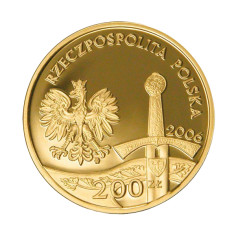
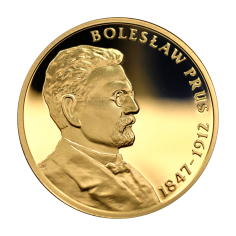
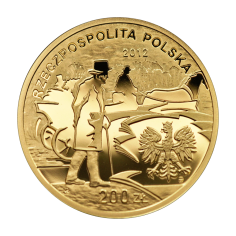
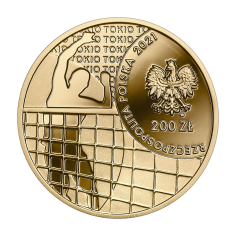
.jpg)

Your shopping cart
No products in the shopping cart

 801 501 521




 (1)_LBMA.jpg)


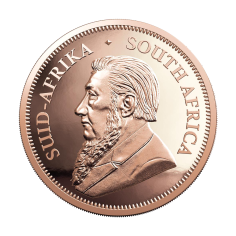
Gold and silver collector and commemorative coins play an important role in the world of numismatics, attracting the attention of history enthusiasts, experienced collectors, and investors alike. These coins are minted in low quantities and differ radically from standard circulation coins. In addition, they commemorate important events, figures, or cultural heritage.
They are of great importance to collectors due to their uniqueness, historical and artistic value. They are also an attractive option for investors looking for items that increase in value over time. Coins are not only souvenirs from the past, but also a stable investment in the future, combining the value of precious metals with numismatic value.
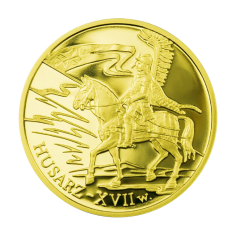
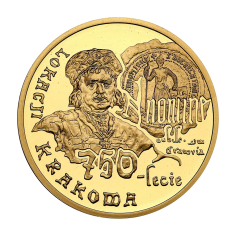
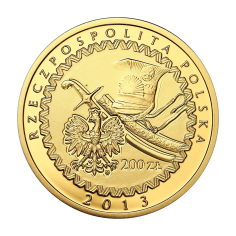
Collectible coins can be divided into different types, depending on the material they are made of and their unique characteristics. The most popular are silver and gold collector coins, which stand out in terms of both aesthetics and value. They are prized by collectors around the world, not only for the precious metal used, but also for their unique designs, limited editions, and historical significance.
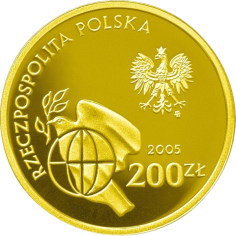
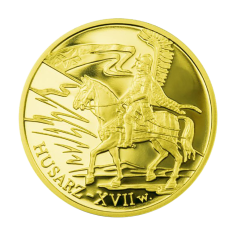
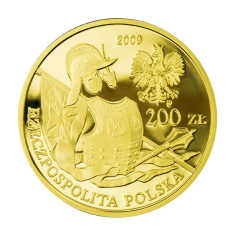
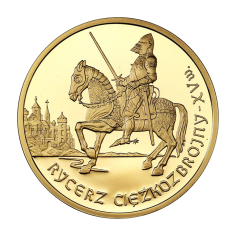
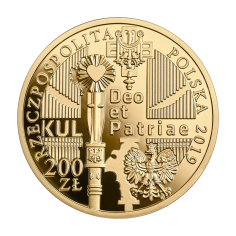
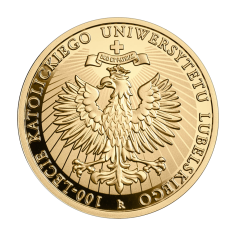
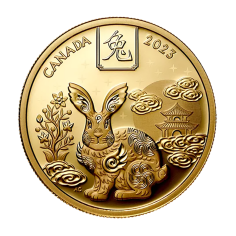
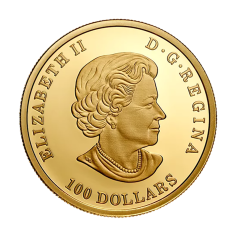
For example: the NBP collector coin with a face value of PLN 20 from the "Polish Thermopylae – Głogów" series was issued in 2023 with a mintage of up to 10,000 pieces, while the circulation coins with a face value of PLN 1 from 2018 had a mintage of as many as 435,840,000 pieces. The term "in a mintage of up to 10,000 pieces" means that the maximum number of coins issued will not exceed this value, but the actual mintage may be lower. The use of this form gives the issuer, e.g., the National Bank of Poland, the opportunity to adjust the number of coins produced to market demand. In some cases, the mintage may be less than 10,000 pieces if there is less interest in a given coin, which in turn may further increase the market value of the coin due to its rarity.
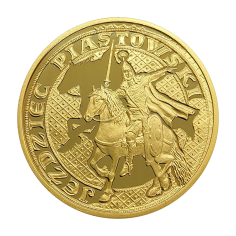
Silver collector coins are characterized by their beautiful shine and precise finish, and their prices are usually more affordable than those of gold coins. Gold collector coins, on the other hand, are considered a symbol of luxury and prestige, and their value often exceeds the value of the gold they contain.
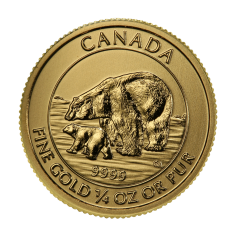
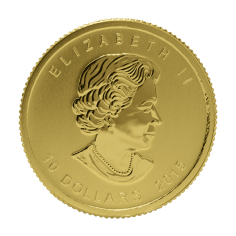
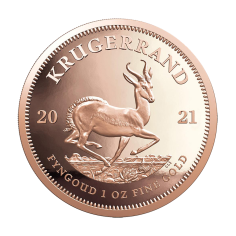
It is also worth mentioning bullion coins, which, although not classic collector coins, play an important role in the investment market. Made mainly of gold, silver, and sometimes platinum or palladium, these coins are valued primarily for their pure metal content. Their market value depends directly on the current price of precious metals, making them a popular way to invest in physical gold or silver.
The process of minting collector coins at a mint is a precise, multi-stage procedure that ensures high quality and the uniqueness of each coin. Collector coins are distinguished not only by their limited mintage, but also by the careful selection of materials, such as high-purity gold or silver, and exceptional attention to detail.
Coin minting begins with the design of a pattern that must meet specific aesthetic and technical requirements. Next, dies are prepared, i.e., metal matrices that imprint the pattern onto the coin blanks. In the case of collector coins, the dies are often polished by hand to ensure that even the smallest details are perfectly reproduced.
Collector coins are produced in strictly limited quantities, which makes them rare and sought after by collectors. For example, limited editions can range from a few thousand to tens of thousands of pieces, while circulation coins are produced in millions, which is a significant factor affecting their market value. In addition, the standards of production of these coins are of the highest level – mirror stamping technology (known as proof) is used, which gives the coin a shine and makes its surface exceptionally smooth and shiny, contrasting with the matte elements of the design. In practice, this means that collector coins differ from circulation coins in their richer symbolism and careful workmanship.
Here is how such a process works:
Polishing dies– Dies used to strike proof coins are carefully polished before each use, which allows for a smooth and shiny surface of the coin, giving it its characteristic shine.
Dull finish– Some elements of the coin's design, such as text and symbols, have been deliberately given a dull finish, which contrasts with the mirror surface and highlights the coin's details.
Multiple striking– Proof coins are usually struck several times, allowing for precise reproduction of every detail of the design and ensuring clarity of detail.
Quality control– Each proof coin undergoes a thorough manual quality control check to ensure that it meets the highest standards of craftsmanship and has no defects.
As a result, each collector coin from the mint is distinguished not only by its high aesthetic value, but also by its durability and precision of workmanship, making it a valuable collector's item and investment.
Verifying the authenticity of collectible coins is crucial to ensure that a coin has the correct value and is not a counterfeit.
Here are a few steps to help you verify:
Check the certificate of authenticity. Makesure that the coin has a certificate of authenticity issued by a reputable institution, such as a mint or other trusted organization. The certificate contains information about the weight, fineness, denomination, and details of the coin's issue.
Compare details with a coin catalog. Usenumismatic catalogs to compare coin details such as weight, dimensions, metal content, and appearance with official data. Any differences may indicate counterfeiting.
Weigh the coin. Usea precision scale to check whether the weight of the coin matches that stated in the certificate or catalog. Even slight differences in weight can be a sign that the coin is not genuine.
Measure the dimensions. Measurethe diameter and thickness of the coin using a caliper. The dimensions of the coin should match the information available in the catalog or on the certificate of authenticity. Counterfeit coins often have slight deviations from the original.
Check the details under a magnifying glass. Carefullyexamine the surface of the coin with a magnifying glass. Counterfeit coins may have less precise details, blurred lines, or other minor flaws that are not found on genuine collector coins.
Consult an expert. Ifyou have doubts about the authenticity of a coin, it is worth contacting an experienced numismatist or commissioning a professional verification from a specialist coin certification company.
Following these steps will help ensure that a collectible coin is genuine and has the appropriate investment value.
Collectible coins are an attractive option for investors for many reasons, one of the key ones being that their value increases over time. Investing in collectible coins makes sense both because of their numismatic value and their material value, which comes from the precious metals used, such as gold or silver. Both the value of the precious metal and the numismatic value of the coin can increase further if it is part of a popular series or if its mintage is particularly low.
The value of collectible coins also increases over time due to their unique aesthetic qualities, including historical, artistic, and cultural motifs, which give them a special character and make them more desirable on the market.
Collector coins are issued in limited quantities, which makes them difficult to obtain on the secondary market. It is this limited availability that makes them an attractive option for investors looking for stable, long-term ways to secure their capital.
Investing in collectible coins is not only a way to protect your assets against inflation, but also an opportunity to profit from their future value, especially since their value increases over time if they are well preserved and have certificates of authenticity.
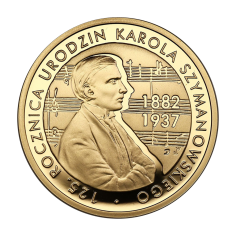
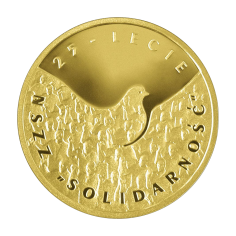
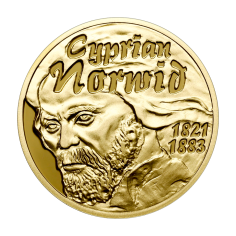
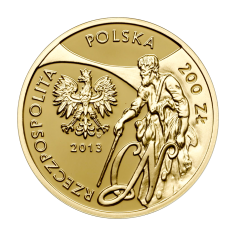
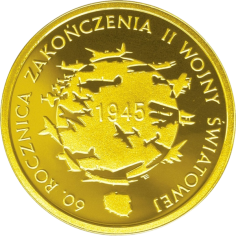
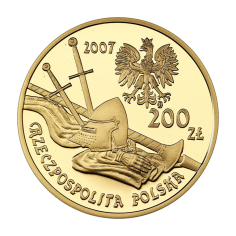
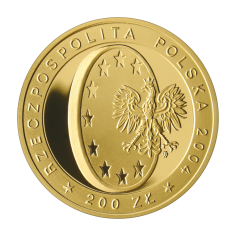
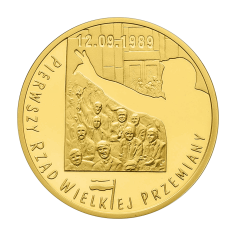
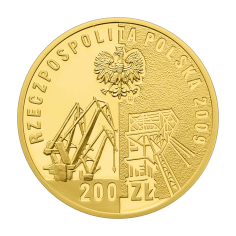
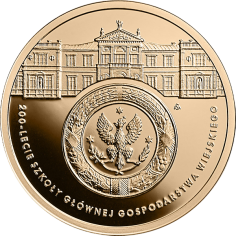
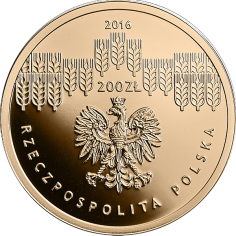
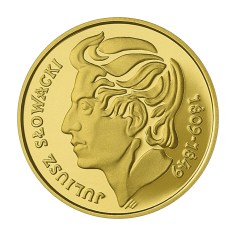
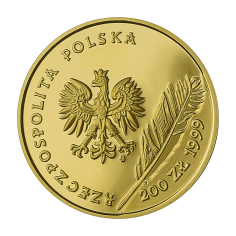
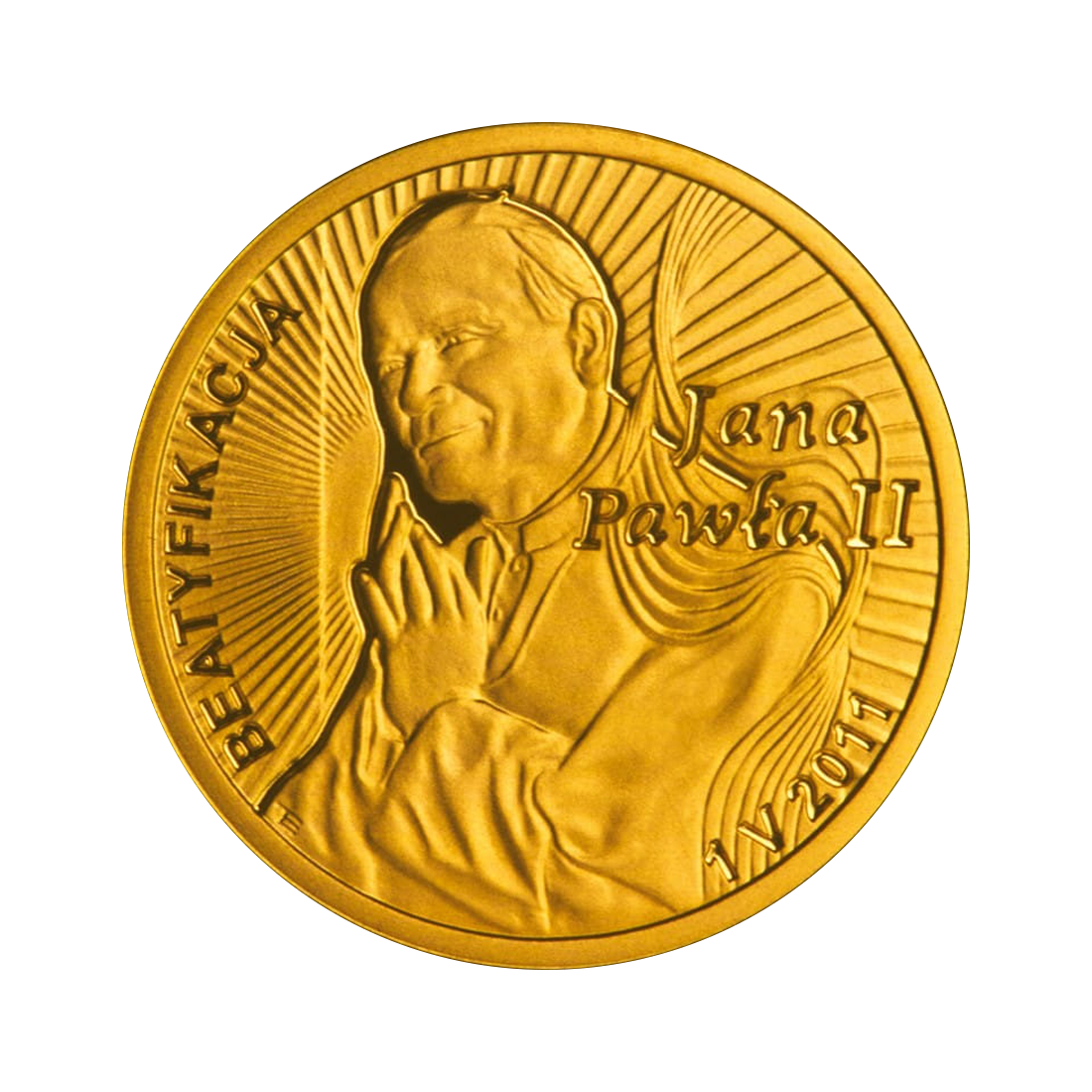
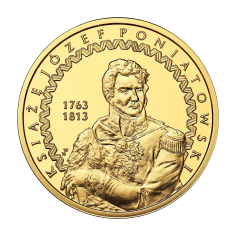
Commemorative coins are unique numismatic items minted to commemorate important national anniversaries, historical figures, scientific and cultural achievements, and other issues of significance to human civilization. Unlike circulation coins, their main purpose is not for everyday use in transactions. Thanks to their precise workmanship and unique designs, commemorative coins are not only sought after by numismatics enthusiasts, but also by investors who appreciate the fact that their value increases over time.
Each of these coins is of perfect quality and high artistic value. Commemorative coins are an important element of material culture, serving an educational function and building historical awareness among future generations.