History of Polish Cavalry: Piast Cavalryman – Investing in Gold
In a world where financial stability is more valuable than ever, bullion and collector coins are becoming a safe haven for capital. The 2006 200 złoty Piast Rider gold coin, part of the prestigious History of Polish Cavalry series, is a unique combination of investment value and deep historical heritage. Issued by the National Bank of Poland, this coin is a rare example of how the art of coinage can translate into a solid asset. Its limited mintage makes it not only an investment in precious metal, but also in an item of growing numismatic value. Owning this coin means investing your savings in gold, which has remained the foundation of economic stability for centuries, regardless of global turmoil. The value of this issue is enhanced by its unique character – it combines the material value of the metal with its collector's value, which is determined by its rarity and historical significance.
Gold as a guarantee of security
The decision to invest in gold, especially in such unique coins, is often dictated by the desire to diversify one's portfolio and protect against inflation. The Piast Rider coin is an excellent tool for achieving these goals. Its face value, set at PLN 200, is only a symbolic reference to its real market value, which is closely linked to the current price of gold and collector demand. The growing interest in historical and collectible coins in recent years means that the price of this type of asset can significantly exceed the value of the metal itself. This is an ideal option for investors looking for assets that will not only maintain their value over time, but can also generate a profit over the years, especially in view of the growing popularity of coins with a historical pedigree.
Symbolism and details of minting art
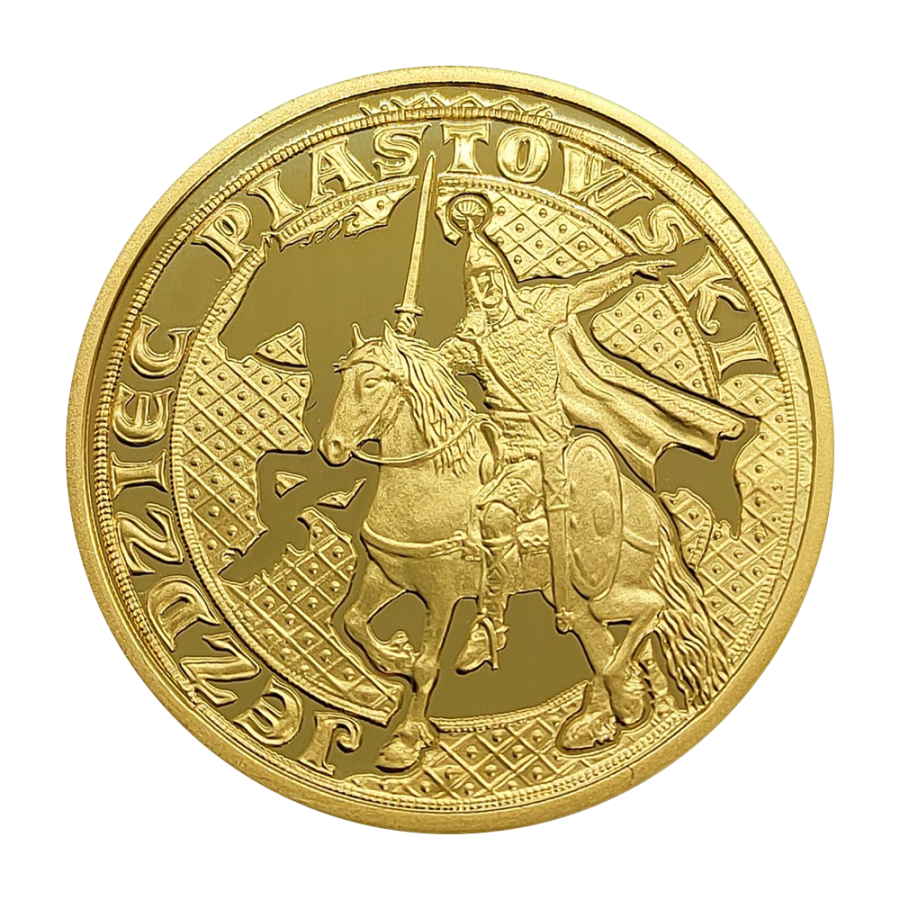
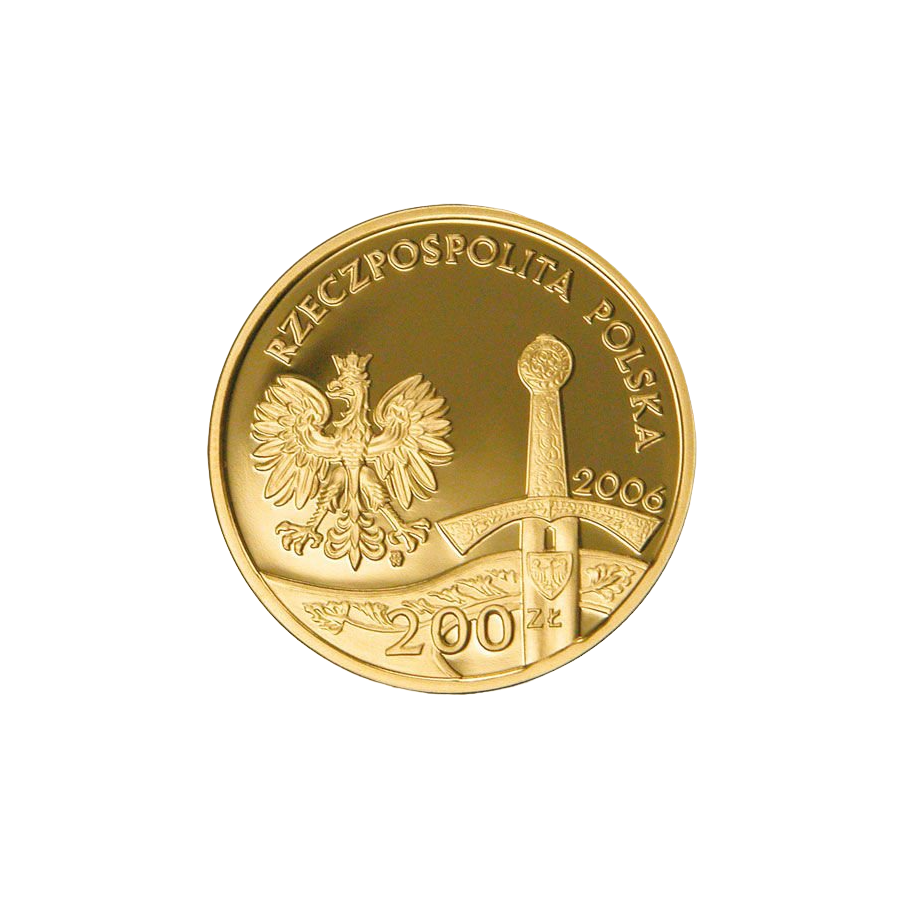
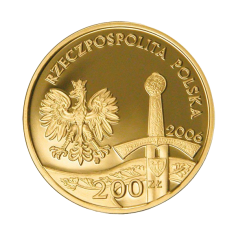
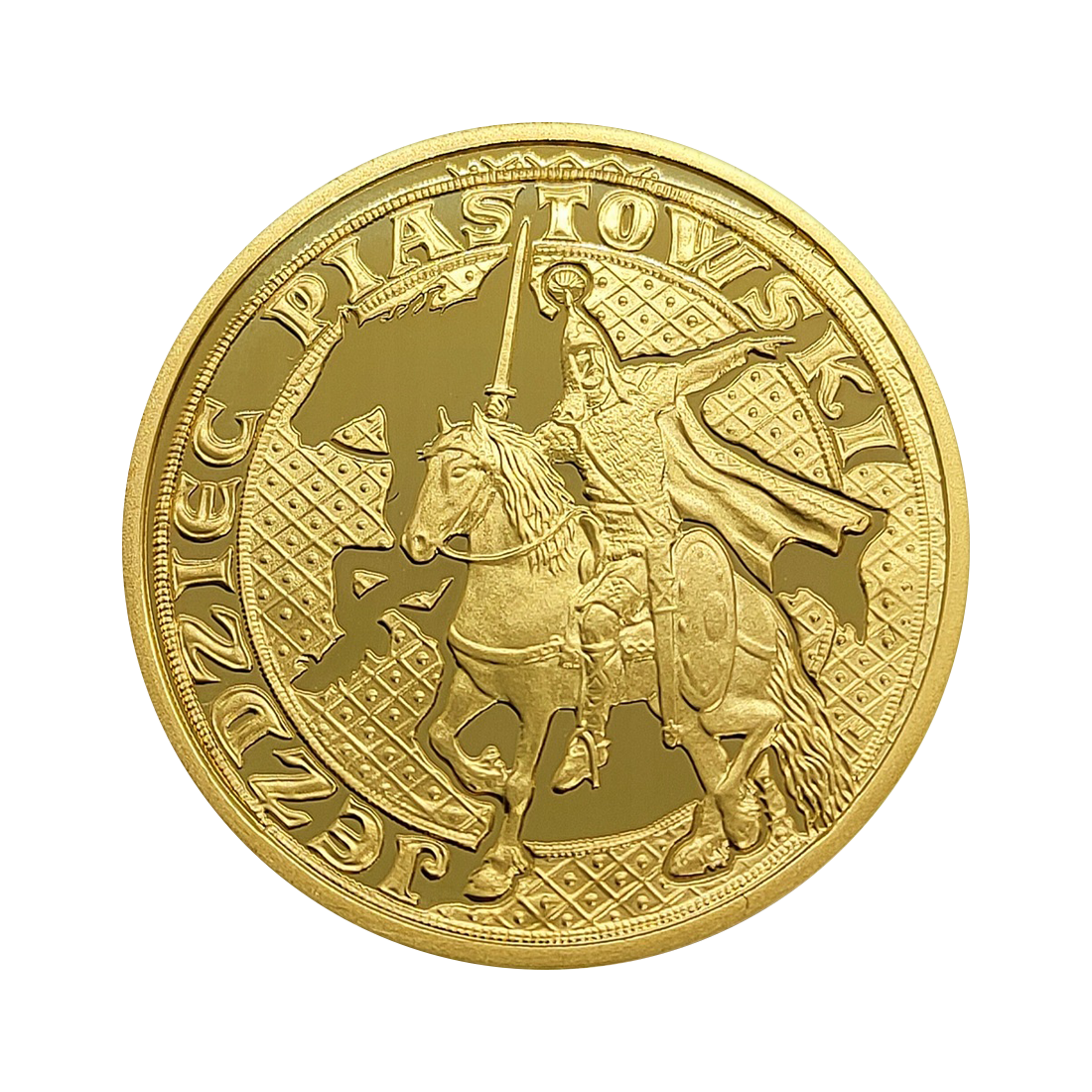
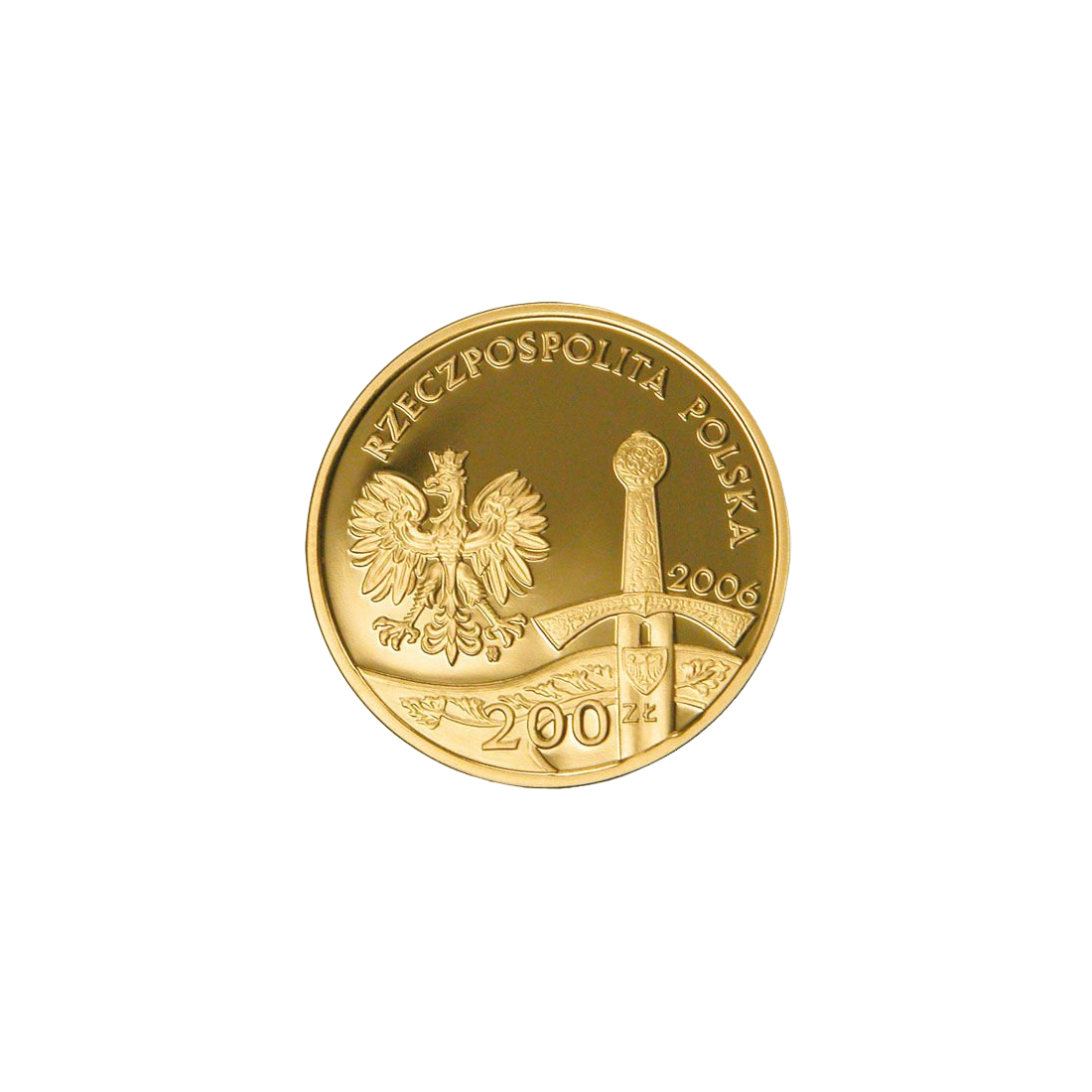
The obverse of the coin is a minting masterpiece, featuring an image of an eagle, the emblem of the Republic of Poland, in the center. To the right of the eagle is a fragment of the hilt of Szczerbiec, the historic coronation sword of Polish rulers, which adds deep national symbolism to the coin. The obverse also features the year of issue, 2006, the inscription RZECZPOSPOLITA POLSKA (Republic of Poland), and the denomination 200 ZŁ. These elements harmoniously combine tradition with formal legal requirements. The reverse of the coin is a true work of art. The central point is a stylized image of an armored horseman, equipped with a drawn sword, symbolizing the strength and readiness to fight of the Piast warriors. The shadow of the rider is visible in the background, giving the composition dynamism and depth. The inscription JEŹDZIEC PIASTOWSKI (PIAST HORSE RIDER) in a semicircle on the left side of the reverse completes the artistic vision. The designer of this unique coin is Ewa Tyc-Karpińska, whose artistic craftsmanship has made this coin more than just a piece of metal – it is a piece of Polish history.
Historical heritage at your fingertips
The Piast Horseman coin pays tribute to the oldest military formation in Polish history – the Piast squad. As elite warriors and bodyguards to rulers, the mounted drużynnicy played a key role in the creation and consolidation of the Polish state. They were not only armed guards, but also a symbol of strength, loyalty, and steadfastness. The 200 złoty gold coin allows you to touch this history, becoming a tangible link to the times when the foundations of Polish statehood were being laid. For collectors and investors who appreciate not only material value but also cultural and historical significance, this coin is a priceless acquisition. It provides an excellent opportunity to explore the early medieval history of Poland and the evolution of Polish cavalry. In terms of investment, coins with such a rich historical background tend to increase in value in the long term, as their uniqueness and limited availability make them increasingly sought after by collectors around the world.
The coin was issued by the National Bank of Poland (NBP), which is responsible for issuing currency in Poland. The NBP regularly puts into circulation both circulation coins and collector and commemorative coins commemorating important events, anniversaries, and historical figures.



 (1)_LBMA.jpg)







 English
 German
 Ukrainian


 801 501 521