.jpg)

Your shopping cart
No products in the shopping cart

 801 501 521




 (1)_LBMA.jpg)




A combination of innovative technology and timeless beauty that was previously reserved exclusively for nature. Today, lab-grown diamonds not only complement the jewelry of those who appreciate sophisticated style, but are also becoming an increasingly popular and conscious investment choice. In an era of global change, inflation, and the need to secure capital in durable and portable forms, lab-grown diamonds are becoming a symbol of a modern approach to saving and luxury at the same time.
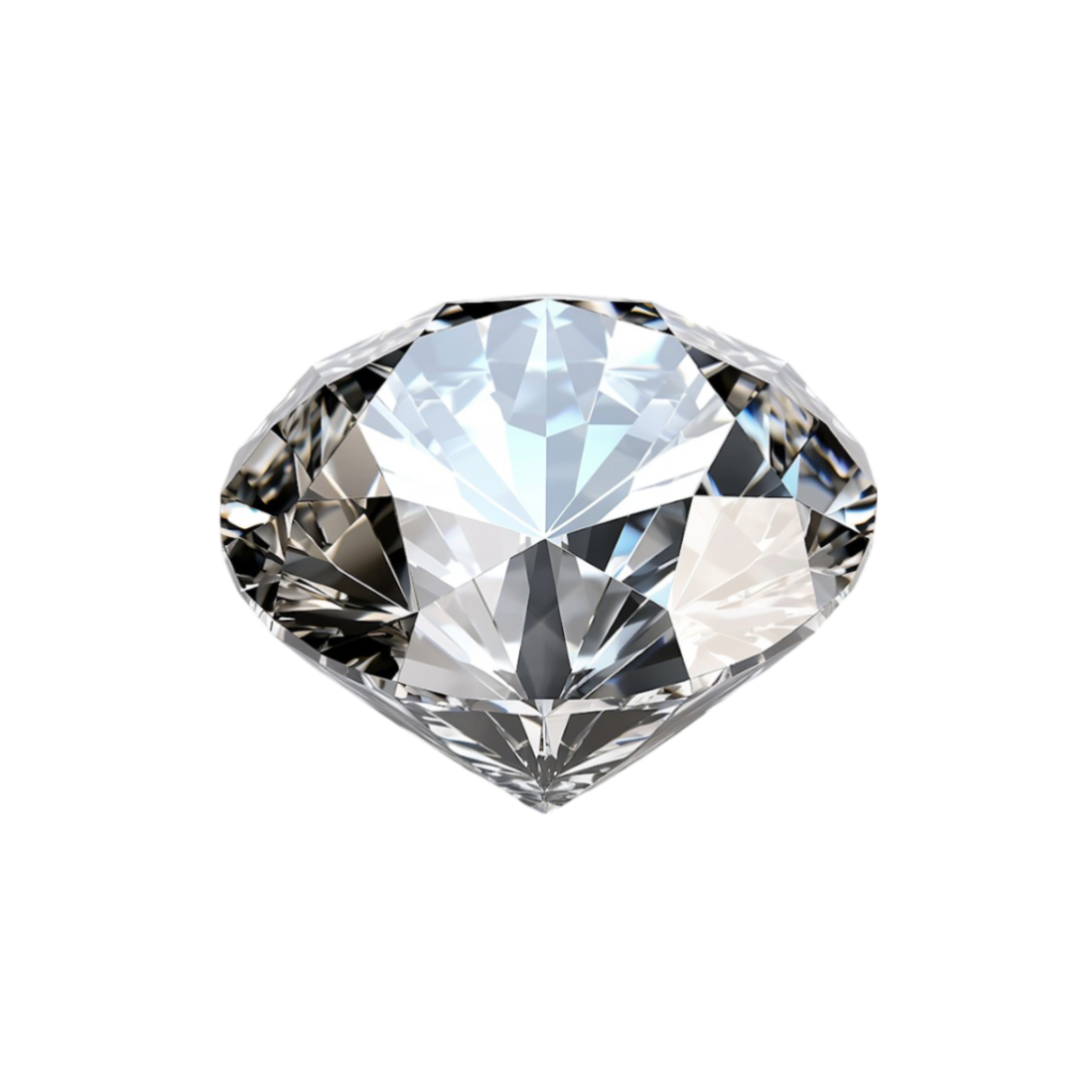
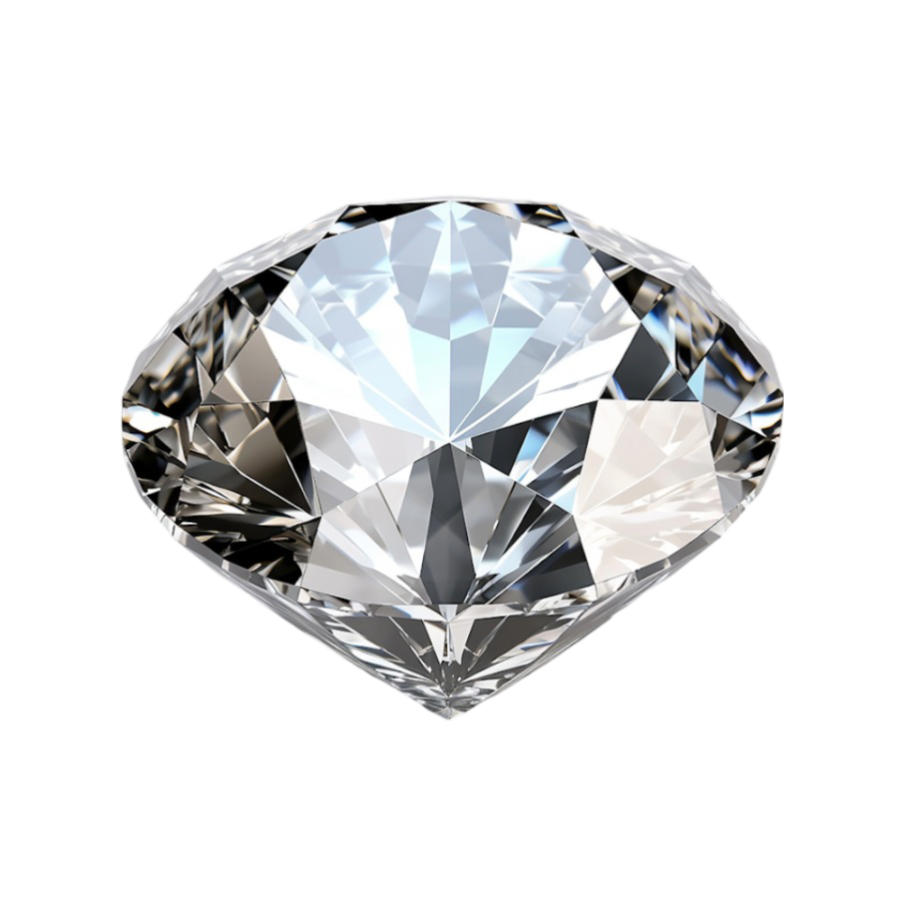
Their uniqueness does not stem from their underground origin, but from a precise process in which, atom by atom, a carbon crystal is created with the same structure as its natural counterpart. Purity, perfection, and quality control allow for the creation of stones with flawless properties, fully matching those created by nature over millions of years. Like classic diamonds, those created in laboratories only become diamonds when they fall into the hands of a master cutter. It is he who decides on the shape, proportions, and number of facets – so that the light refracts inside the stone into thousands of reflections, creating a phenomenon that has fascinated people for centuries.
Although lab-grown diamonds are created in artificially controlled conditions, their structure, hardness, and appearance are identical to those found in nature. It is still the same crystalline carbon that delights with its extraordinary delicacy of form and at the same time impresses with its durability – 10 on the Mohs scale, which is the highest hardness of all known minerals. Unlike natural diamonds, which took billions of years to form deep within the Earth, lab-grown diamonds are created in a matter of weeks, under high pressure and temperature conditions that faithfully replicate the processes occurring in nature.
Thanks to the precise work of experienced specialists and advanced technology, each stone undergoes professional cutting, which brings out its maximum brilliance and depth. This makes laboratory-grown diamonds increasingly accessible not only in jewelry, but also as an attractive form of investment.
Like their natural counterparts, synthetic diamonds are graded according to the 4Cs, which include:
1. Color – from colorless to intensely colored, lab-grown diamonds are available in a wide range of shades. For colorless stones, color is graded on the same D–Z scale, while fancy-colored diamonds (e.g., blue, pink, or yellow) are increasingly finding their way into the portfolios of investors seeking rarities.
2. Weight (Carat) – as with natural diamonds, the weight of the stone is expressed in carats (ct), where 1 ct = 0.2 g. The investment offer includes popular sizes: .25, .50, 1.00, as well as larger specimens dedicated to collectors and long-term investors.
3. Clarity – the laboratory production process allows for the reduction of natural inclusions, thanks to which many laboratory diamonds achieve very high clarity grades, such as VS1, VVS2, or even Internally Flawless (IF).
4. Cut – from classic brilliant to princess, pear, or oval. The cut of a lab-grown diamond determines its sparkle and interaction with light. It is the right cut that makes the stone "come alive" in daylight and artificial light.
Just like natural stones, lab-grown diamonds differ not only in weight and cut, but also in color, which is of great importance both for the aesthetics and investment value of the stone. The offer includes both colorless diamonds and fancy colored diamonds, which delight with their color and unique character.
For colorless diamonds, the same color scale is used as for natural stones (from D to Z), where: D–F denotes colorless stones, G–J are nearly colorless diamonds, K–M are considered slightly toned, and N–Z are described as yellowish. Laboratory-grown diamonds in intense colors such as pink, blue, yellow, green, and purple are also becoming increasingly popular. Although they represent a smaller segment of the market, their uniqueness and striking appearance make them desirable not only in jewelry but also as alternative investments. Importantly, regardless of color, these diamonds retain all the optical properties of their natural counterparts, including the characteristic reflectivity and brilliance that make them so extraordinary.
Lab-grown diamonds offer a lower barrier to entry while maintaining high quality and aesthetics. What's more, their production is predictable and certified, ensuring transparency in transactions. It is worth noting that lab-grown diamonds are typically priced lower than their natural counterparts, making them an excellent choice for those looking to diversify their investment portfolio without incurring significant costs. Like gold or silver, they are mobile, easy to store, and their value is supported by a growing interest in an ethical approach to luxury.
The growing interest in uncompromising beauty among conscious consumers and investors is reflected in lab-grown diamonds. Their production does not involve environmental exploitation or unethical working conditions, as is often the case with traditional mining. Produced under controlled conditions, using modern technologies and often renewable energy, they are a much more environmentally friendly solution. By choosing a lab-grown diamond, you not only gain stunning brilliance and investment value, but also the assurance that your choice supports responsibility, sustainability, and pure luxury of the new generation.
Each laboratory diamond offered in our range has an independent certificate confirming its authenticity, quality, and parameters in accordance with international standards. This document is issued by recognized gemological institutes such as: Gemological Institute of America (GIA), International Gemological Institute (IGI) – the most popular in Europe, HRD Antwerp – Hoge Raad voor Diamant (HRD).
The certificate contains detailed information on the so-called 4Cs: color, carat weight, clarity, and cut, as well as a unique identification number assigned to a given specimen. This ensures that you are purchasing a diamond with clearly defined properties that can be verified at any time. For investors and collectors, the certificate is not only a confirmation of the stone's value, but also an important element securing the investment. It is a guarantee of transparency, transaction security, and complete confidence in the origin of the laboratory-grown diamonds offered.
Synthetic diamonds are a modern and rapidly growing form of investment that is gaining importance in times of global economic uncertainty and rising inflation. Their value is increasing along with the growing demand for ethical, sustainable, and accessible assets with high aesthetic and financial potential. Like natural diamonds, their laboratory-grown counterparts are distinguished by their durability, mobility, and ease of storage, making them ideal for situations requiring the transfer of assets or rapid investment response.
What is more, lab-grown diamonds offer excellent value for money, allowing you to build a valuable investment portfolio at a lower entry cost. They are an ideal alternative to traditional assets such as gold or silver, as well as an interesting way to diversify your holdings. They should be treated not only as an investment, but also as a conscious choice – combining luxury with responsibility and innovation.
Diamonds offered by Mennica Skarbowa can be conveniently ordered online with a guarantee of secure and discreet shipping throughout Poland. For those who prefer personal collection, we also offer the option of picking up your order at our brick-and-mortar branches located in major cities. We provide our customers with professional advice – our specialists are happy to help you choose the right stone, including for special occasions such as investment gifts or anniversary presents.
Diamonds are available in two types of packaging. The first is secure CertiPack packaging, which guarantees the authenticity and unaltered condition of the stone. The second option is bulk purchase – in an elegant cardboard box. Details about the type of packaging are always included in the product description so that every customer can make an informed choice.
Start investing in diamonds today!
For larger orders, prices are negotiable.
Due to frequent fluctuations in precious metal prices, we require that your order be paid for and booked within 1 business day.
The order shipping time is 1 business day for products marked as "24-hour shipping," up to 15 business days for other goods, and up to 35 business days in justified cases. This period is counted from the moment the payment is credited.
Please note that if you purchase goods with 24-hour shipping and up to 35 business days in a single order, the goods will be shipped within 35 business days. If you want to receive your order faster, please separate orders with 24-hour shipping and those with standard shipping.
The photos presented on the website are examples. Products may differ from the photos presented. In the case of coins, coins from the current year or previous years are available for sale.
The bars and coins offered by Mennica Skarbowa are products from reputable mints affiliated with the London Bullion Market Association, including: Heraeus, Argor Heraeus, Valcambi, Metalor, C.Hafner, Perth Mint, Münze Österreich, PAMP, Umicore, Rand Refinery, UBS, Degussa, or other issuers listed in the product parameters. Goods included in the so-called unsorted gold and silver may be an exception. The choice of bar manufacturer is made at random at the order fulfillment stage and depends on the Company's current stock levels.