For keen observers of the gold market, last year could have been a sign that a real crash was coming. Countries were increasingly willing to increase their gold reserves, and the price of gold per ounce reached historic highs. The atmosphere was thickening, and the crisis was almost palpable. However, no one expected (or took into account the signals coming from epidemiologists) that a real recession would begin as a result of the coronavirus pandemic, which has claimed not only human lives but also the global economy. This whole situation is, of course, having an impact on the price of gold and silver.
Over the past few months, we have written extensively about how individual countries are expanding their strategic security buffers, in other words, increasing their gold reserves. Poland has also made historically high purchases of gold over the past two years (we wrote more about this here). The world has given us many signs that an economic or political crisis is approaching. However, not all of us have been able to interpret them correctly.
EMERGENCY BRAKING OF THE ECONOMY
The COVID-19 pandemic has become a trigger and accelerator for certain economic processes that we have been observing for several, and sometimes even more than a dozen, years. Basically, everything is changing, considering global markets. It can be said that we have recently experienced an emergency economic slowdown. The factors that have undoubtedly contributed to the average economic condition of countries include monetary turmoil, the instability of debt stability, and the increasingly questionable independence of central banks. Governments are embarking on a desperate attempt to revive their economies, among other things by devaluing their currencies to finance their deficits. What effect will this have? We will find out soon. However, there is one "certainty" in this whole situation, and that is the strong and well-established position of gold.
GOLD PRICE EXPLOSION
According to analysts, all these economic turmoil will have a positive impact on the gold market. Global quantitative easing and government fiscal programs should have a positive effect on the price of gold and silver. What is more, the prolonged recession will in turn put pressure on economic growth. It is predicted that asset purchase programs will likely be expanded to offset lost income. We are already seeing a greater propensity to save, coupled with a relatively weak investment climate. All of this will increase the potential of precious metals, with gold at the forefront.
The measures taken by central banks are intended to stimulate significant economic recovery. The extraordinary solutions proposed by these institutions also have a positive impact on maintaining the high attractiveness of gold, silver, and other precious metals as so-called safe havens.
High gold prices are also a consequence of escalating political tensions between the United States and China. The situation already seemed tense before the outbreak of the pandemic. Today, Washington accuses its "eastern friends" of deliberately spreading the coronavirus to strengthen their position as economic hegemons.
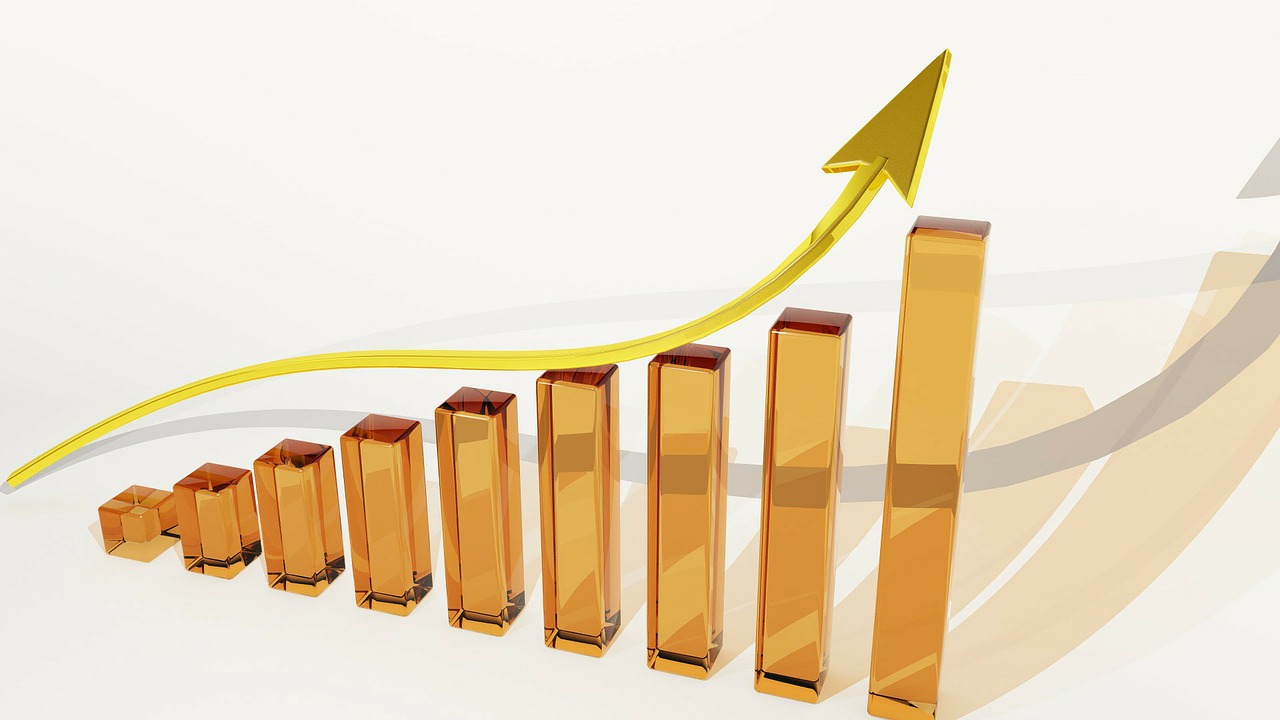
Although the price per ounce of gold has recently been hovering around an eight-year high, many analysts predict its continued growth. The price of gold could jump to as much as $2,000 per ounce. Today, it is also said that limiting the supply of precious metals will allow for a systematic increase in the price of gold, silver, and other metals.
For several months, it has been clear that we are facing a real crisis. However, no one expected that we would be dealing with a recession. Now, nation states and other institutions are doing everything they can to revive their collapsing national economies. It turns out that the real beneficiaries of this whole situation are those who have decided or will decide to diversify their investment portfolios and invest their funds in gold or other precious metals.



 (1)_LBMA.jpg)








 English
 German
 Ukrainian


 801 501 521