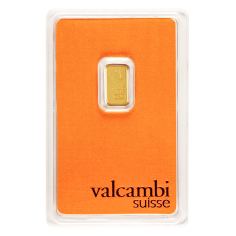
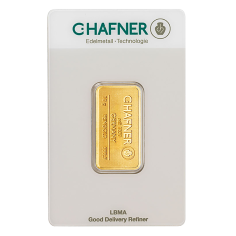
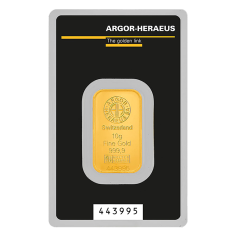
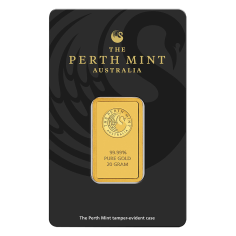
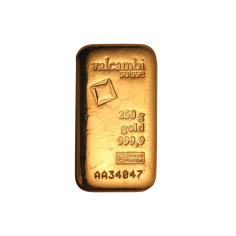
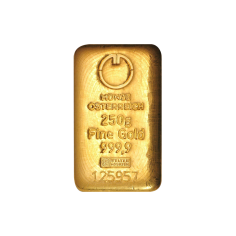
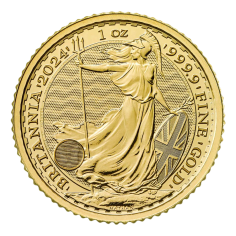
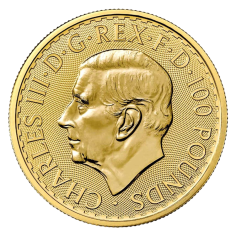
Investment gold (bars and coins) is valued mainly on the basis of weight, purity, and the current market value of gold. In the case of limited edition products or collectible coins, the collector's value may be added to the price. In general, however, it can be assumed that gold purchased, for example, at mints, is a precious metal without high margins and taxes – investors can enjoy SPOT market prices, which are announced twice a day!

What is the value of gold, and what is its price?
The value of gold and its price are very similar terms. However, it is worth knowing that the value of the precious metal is primarily its exchange rate, e.g., expressed in USD. The price of gold may take into account very small margins of producers and distributors, as well as exchange rate fluctuations when converting to other currencies, e.g., PLN.
For the end user, i.e. the investor, the price of a specific product made of gold and sold at a mint is therefore important. However, if they want to conduct their own analysis of the profitability of long-term investment in pure gold bars or bullion coins, they must pay attention primarily to the value of an ounce expressed in US dollars. In Poland, we usually refer to the so-called SPOT gold prices on the London or New York commodity exchanges. This expresses the market value of gold.
What determines the value of gold bullion?
The value of gold bullion is determined primarily on the basis of a fixing system, which has been supervised for years by the London Bullion Market Association (LBMA). Every day, it updates the SPOT price of gold. It is determined on the basis of current market transactions, reflected on the electronic platform. The value of gold itself depends on many economic factors. The most important of these include:
1. Supply and demand – when demand for gold is high and supply is low, the price of gold rises.
2. Gold production – the costs and level of gold production affect its price. Its value is increasing, among other things, due to limited global reserves of this metal.
3. Inflation – during periods of high inflation, gold is often seen as a "safe haven" investment. When the value of currencies falls, investors turn to gold, which generally causes its price to rise significantly.
4. Economic and political situations – in times of economic and political crisis, the price of gold usually rises.
5. Monetary policy – the price of gold may be less affected by central banks' decisions on interest rates.
6. Value of the US dollar – even though gold has been "decoupled" from the dollar, its price is still often expressed in US dollars. Currently, there is talk of an inverse correlation between the value of gold and the dollar, which means that when the value of the dollar falls, the price of gold rises.
How is the price of gold determined in mints?
It is worth knowing that the final price of a specific investment product (e.g., a 1 oz American Buffalo gold bullion coin) may vary depending on the mint and the country in which it operates. There are many factors that influence the final cost to the buyer, but it should be emphasized that it is never significantly higher than the current SPOT price! Price fluctuations between different suppliers are small, which makes investing in gold simple and does not require specialized economic knowledge. So how is the price of gold determined at mints?
Current gold price
The overall price of gold is simply its market value, which is constantly monitored and updated. It is most often converted from the US dollar, i.e., the price of 1 ounce of gold expressed in USD.
Purity test, weight, and collector's value
The price of a specific gold product is influenced by its purity and weight. In the case of coins minted in limited quantities, a collector's value may be added. Standard investment bars and gold bullion coins are purchased based on a simple calculation, i.e., the SPOT price + margin and distributor costs.
Small margins
Margins on gold purchases may vary. In certified and accredited mints cooperating with producers gold coins and bars in accordance with LBMA rules, they are small.
Incidental costs included in the prices of investment products
Distributors may include incidental costs related to transport, trading, storage, etc. in the final price of an investment product, such as a gold bar or bullion coin. However, these costs only slightly increase the prices of products available from mints.
The price of gold and taxes
When purchasing investment gold, it is also important to pay attention to income tax, civil law transaction tax, and VAT issues. In most cases, investors are eligible for exemptions, allowing them to invest easily without having to pay taxes to the tax authorities. However, there are situations in which tax will have to be paid. It is worth asking financial advisors or specialists employed at mints for details.
Investors, always remember to invest wisely and after consulting experts who are knowledgeable about gold and constantly analyze the global precious metals market.










 (1)_LBMA.jpg)



 English
 German
 Ukrainian


 801 501 521