











 (1)_LBMA.jpg)



 English
 German
 Ukrainian

Your shopping cart
No products in the shopping cart

 801 501 521
- Author of the entry: Mennica Skarbowa
- Date of entry:
How did demand for gold develop in 2017? The World Gold Council has published a summary of last year's trends in the most important sectors of the global market. It turns out that the most interesting changes took place in the jewelry industry, which in previous years had remained rather in the shadows.
Gold jewelry
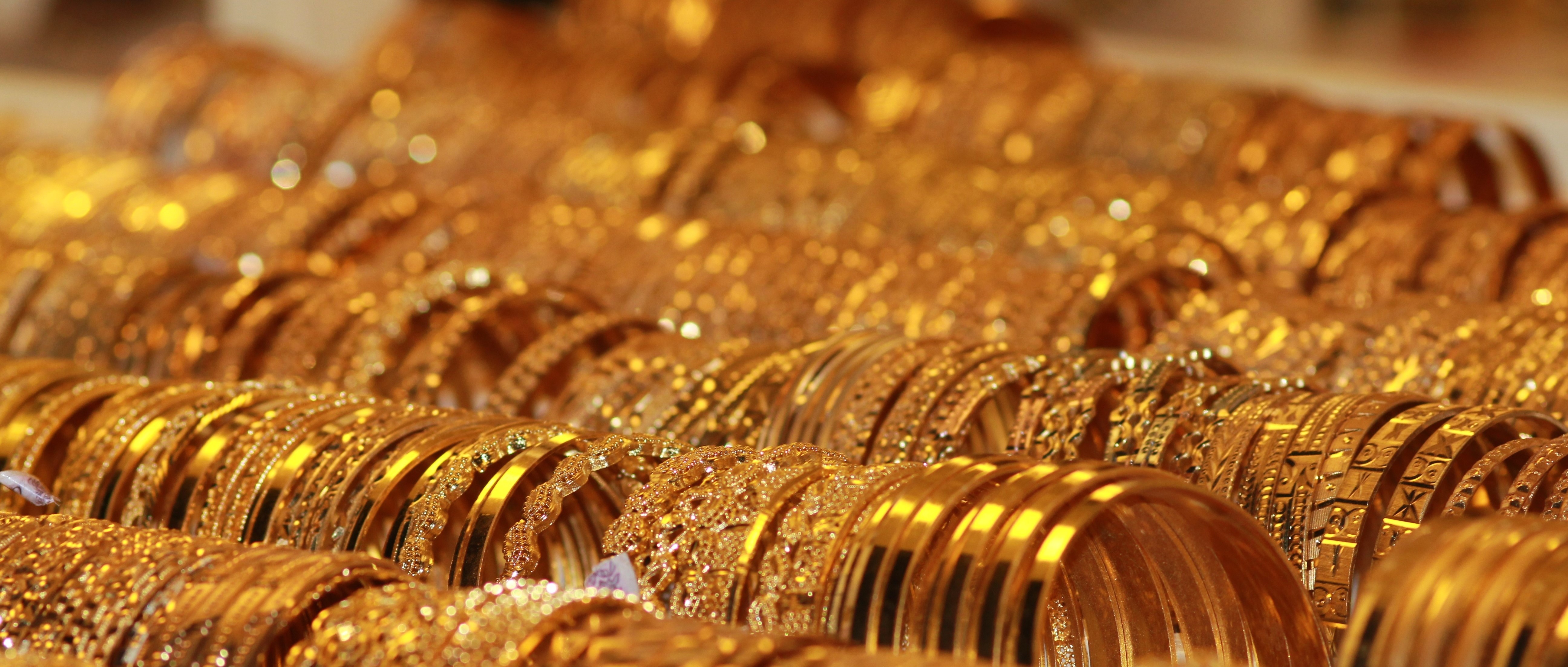
It was an exceptionally successful year for the gold jewelry market. Global demand rose by 4% to reach 2,135.5 tons. It should be noted that this is the first increase since 2013. India took first place in the country ranking, with growth of as much as 12%. Three factors contributed to this positive result: the festival season, the government's decision to exempt the jewelry industry from anti-money laundering regulations, and a revival of consumer sentiment in rural areas. China recorded a 3% increase, which, as in the case of global demand, is the first positive result since 2013. Demand in the US increased by the same amount. There, the holiday season brought the highest profits. For example, Tiffany & Co. saw an 8% increase in sales.
Technology
The technology market also saw a revival. All quarters ended on a positive note, resulting in a total increase of 3% compared to the previous year. The sectors that contributed most to this growth were smartphone manufacturing and integrated circuit production.
Gold bars and coins
On an annual basis, there was a slight decline (2%) and the overall demand for gold bars and coins amounted to 1,029.2 tons. This was mainly due to the situation in the US, where the popularity of bullion coins was at its lowest since 2007. As for bars, demand for them was relatively stable and amounted to 770.9 tons, which is only slightly less than the average for 2014-2016 (773 tons).
However, there were significant increases in Eastern markets. In China, the world's largest gold market, demand reached 306.4 tons, an increase of 8% compared to the previous year. Thus, for the second year in a row, the 5-year average (284.8 tons) was significantly exceeded. A record 78% increase was seen in Turkey: from 29.4 tons to 52.4 tons. This is the best result in the last four years. India recorded a slight increase of 1.6%, bringing demand to 164.2 tons.
Supply
Global gold supply fell by 4%. Despite new investments, production remained virtually unchanged. Mines opened last year served to fill the gap in production of the two market leaders – China and Tanzania. The Chinese government decided to tighten environmental regulations, resulting in the closure of several of the oldest mines. In Tanzania, the conflict between the authorities and Acacia Mining continues. The export ban, which has been in force for several months, has led to the suspension of the company's main mining projects. As a result of these events, both countries recorded significant declines, particularly in the fourth quarter. The decline was 10% in China and 15% in Tanzania. In addition, the 10% reduction in the amount of recycled gold contributed to the decline in global supply.
