









 (1)_LBMA.jpg)



 English
 German
 Ukrainian

Your shopping cart
No products in the shopping cart

 801 501 521
- Author of the entry: Mennica Skarbowa
- Date of entry:
New York, fall of 1929, the time of the Great Depression.
Harry C. Klein was having a bad morning. And now this young woman had just dumped a handful of trinkets on his counter. He glanced appraisingly at the brooches, earrings, and bracelets.
- He turned over a pair of large clasps densely studded with diamonds. - You see, no large stones.
"But big stones are boring!" exclaimed Maggy. "I only wanted to wear something fun and witty."
- Large stones are suitable for sale.
- I never thought of jewelry as an investment.
- I'm talking about resale, not investment. I'm talking about getting a price similar to what you paid for the gems. Resale means large stones, and even then, only those that are of good quality and pure.
"But look at these patterns, at the workmanship!" Maggy exclaimed angrily.
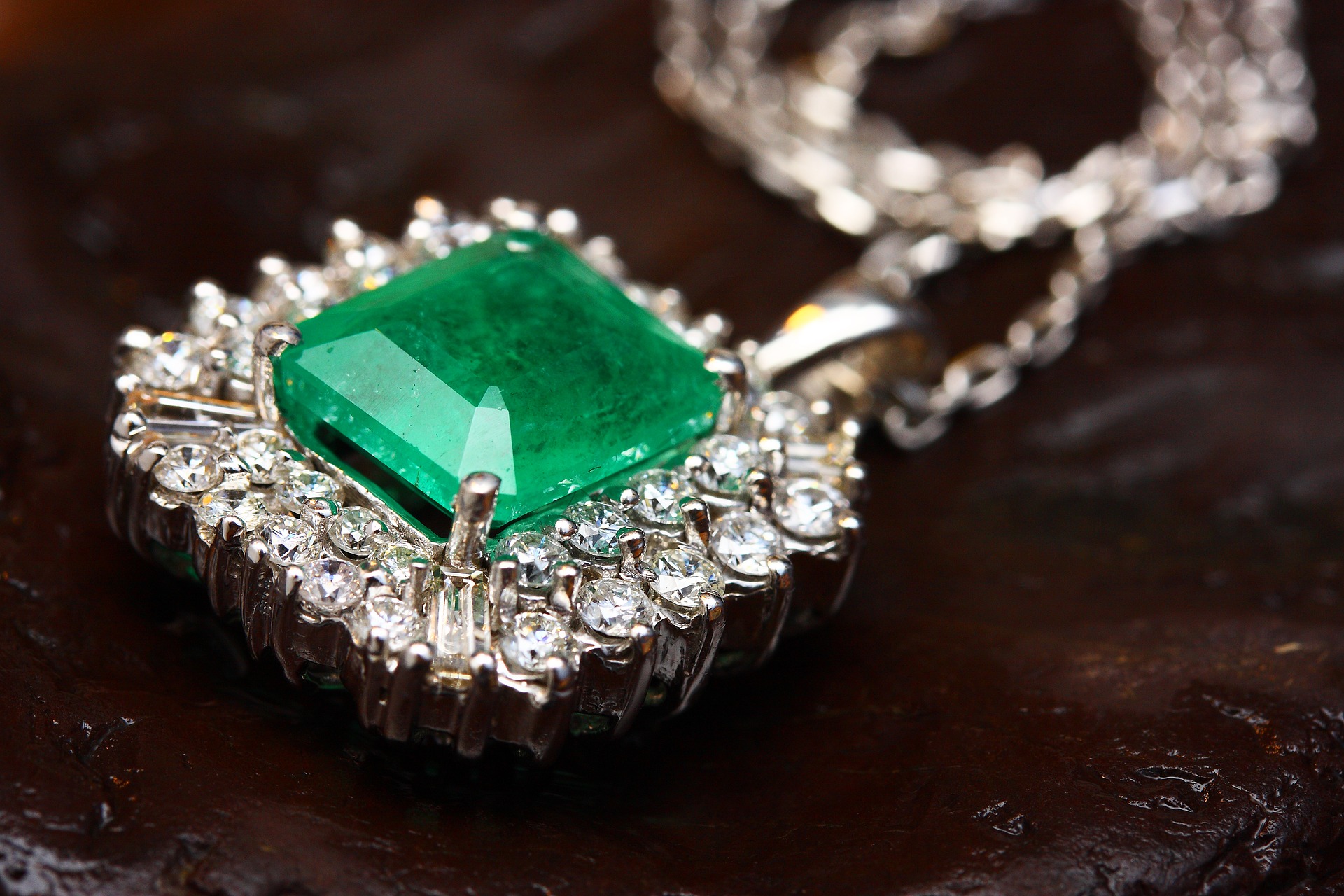
- It doesn't matter. All that counts is the weight of the stones and the value of the metal setting. I could offer you much less than the wholesale price, because with these fancy, funny trinkets, it takes a lot of work to remove the stones. Wait a minute, what's this? These emeralds look interesting. He examined the bracelet through his magnifying glass, looking at each emerald in turn. "Good, very good."
- So you want to buy this bracelet?
- Definitely yes, and I'll give you the best price.
"But, Mr. Klein," Maggy said sharply, "I don't want to sell just this bracelet, I want to sell everything. The person who buys it must take everything else as well."
The chances of a small jeweler like him buying four perfectly matched two-carat emeralds were slim. If such stones ever lost their value, nothing that had been mined since the days of King Solomon's Mines would be worth a penny. Even if he had to sit on those emeralds for years, he couldn't give them up.
- All right, all right. We'll strike a deal.*
The story itself is fictional, but that's how it is. We buy jewelry to wear, not to sell. However, sometimes we get bored with our jewelry or circumstances force us to sell it. The jeweler who buys it from us will only pay for the precious stone and gold used in its production. Meanwhile, the prices of jewelry, especially that available from chain jewelers, are many times higher than the value of the materials used. This is obvious, as the price of jewelry must cover at least the cost of its production. Nevertheless, it is always worth considering to what extent the price reflects the actual value of the jewelry (pay attention tothe gold fineness and diamond quality) and to what extent we are paying for the brand. Otherwise, we may be greatly disappointed when we receive a fraction of what we paid in the store.
The prices of our jewelry are mainly determined based on the value of the diamonds and gold used in its production, so you can be sure that you are not paying for the brand, but for the jewelry itself.
* Excerpts from Judith Kranz's book "Mistral's Daughter"
