








 (1)_LBMA.jpg)



 English
 German
 Ukrainian

Your shopping cart
No products in the shopping cart

 801 501 521
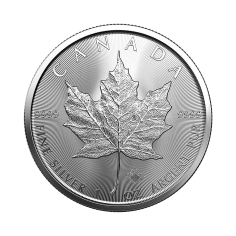
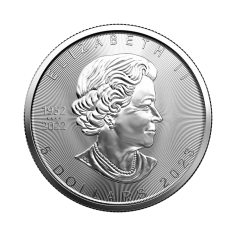

Both types of coins can be made from gold or silver. The difference is that bullion coins are usually made from the highest purity metal, while collector coins may contain admixtures of other metals.
Collectible coins have a specific mintage – the number of coins that will be available to buyers is known in advance. To emphasize the uniqueness of a given coin, mints prepare limited editions of several hundred pieces, which significantly increases the value of the coin.
In the case of bullion coins, we are dealing with mass production – a new series is issued every year.
The value of a bullion coin depends on the value of the precious metal from which it is made.
In the case of collector coins, it is not only the weight and precious metal that matter, but also current market trends, design, issue size, and the number of coins available on the market—the less available a coin is, the more valuable it is. For these reasons, we talk about collector value, which translates into the price of the product.
The range of collectible coins is virtually unlimited. Mints are competing to create new designs. They often commemorate historical events, anniversaries, or figures, but they also draw on national symbols, inspiration from film or music, or create special editions related to a specific event (e.g., the Olympic Games). It should not be forgotten that coins from years ago, sold by previous buyers, are also in circulation. So the choice is really wide.
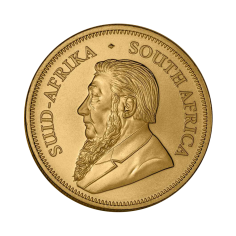
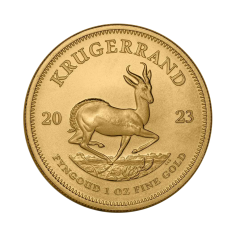
When it comes to bullion coins, the selection is definitely smaller, but we are dealing with coins that are known all over the world. The most recognizable ones include: Canadian Maple Leaf, Australian Kangaroo, Krugerrand, and Vienna Philharmonic.
And finally, the key question – which bullion coin to buy? It depends on your goal. Bullion coins, also known as investment coins, are chosen by investors who want to invest their savings. In this way, they secure the purchasing power of their money, protecting themselves against the effects of inflation. At the same time, buying a bullion coin is an opportunity for future profit, because gold is a precious metal whose price tends to rise over the long term.
Collector coins, as the name suggests, are mainly the domain of collectors and people interested in numismatics.
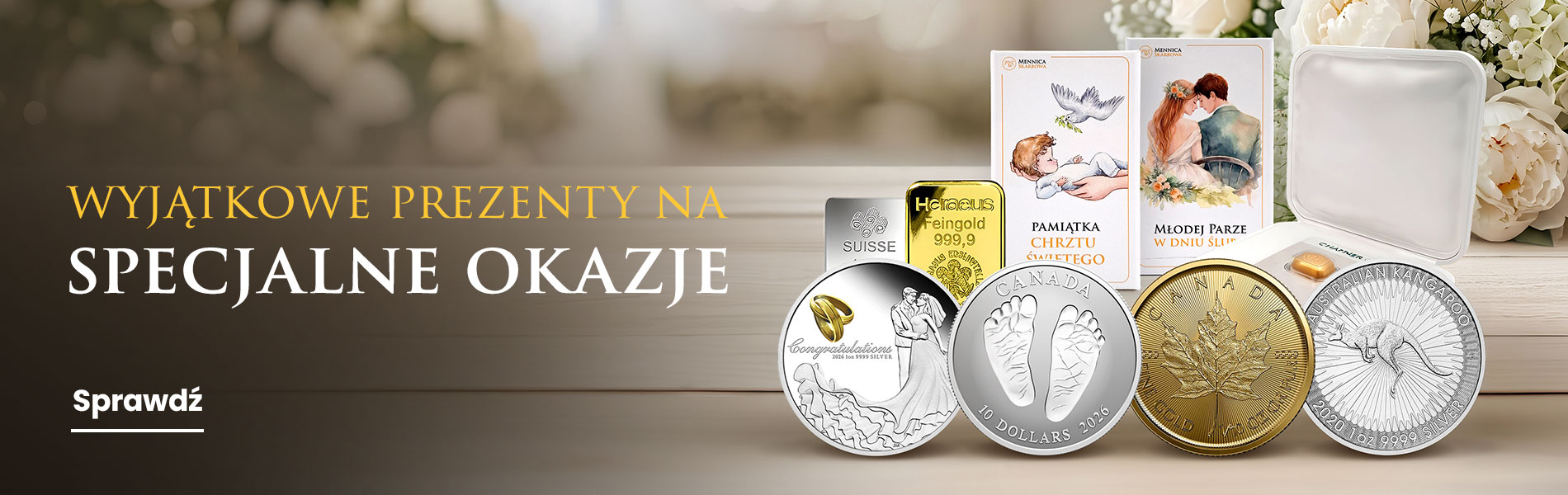
Bullion coins are increasingly being purchased not only as a way of investing one's capital, but also as gifts, e.g., for weddings.
A beautiful gold coin is certainly a more elegant gift than an envelope with money. What is more, it is a gift with potential. In the long term, gold prices continue to rise, so a gift in the form of a coin may be worth much more after a few years than on the day it was received.
Although bullion coins are primarily considered in terms of investment, it cannot be denied that collector coins can also be a secure investment. Selling them after many years will certainly also generate a profit.
The question arises as to whether a bullion coin can gain collector's value. Absolutely, especially if the mint limits its issuance. An example is the Lunar series from the Australian mint, The Perth Mint, which features a different animal each year - a zodiac sign from the Chinese calendar.